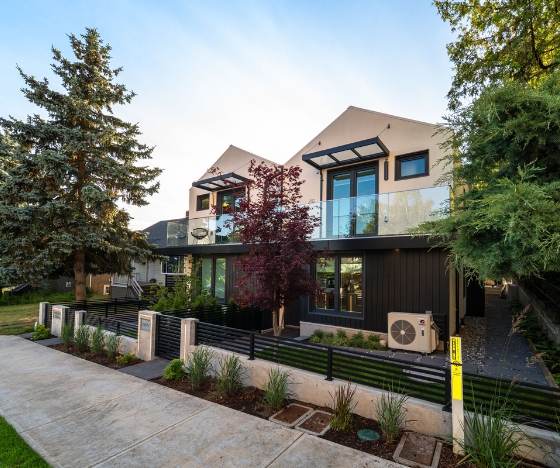
Planning a custom home in Vancouver isn’t just about choosing finishes or layouts—it’s about creating a space that fits your lifestyle while meeting strict energy and building standards. If you want a home that balances comfort, energy-efficient home design, and long-term value, you need a clear, step-by-step plan tailored to the local rules and climate. This guide will walk you through how to plan a custom home with CityLink Homes, your trusted general contractor Vancouver homeowners rely on for quality craftsmanship and smooth project management. For more details, visit our step-by-step guide.
Planning Your Custom Home Build
Creating your dream home in Vancouver involves understanding several key elements. From permits to site assessments, each step is crucial in ensuring your build meets local standards and your personal needs.
Understanding Vancouver Building Permits
Before you start building, securing the proper permits is essential. Vancouver requires specific documentation to ensure your home meets safety and environmental standards. Begin by contacting the local planning department to understand what is needed for your project. They will guide you through the application process, helping you avoid potential delays. Working with a knowledgeable contractor like CityLink Homes can streamline this process, ensuring everything is in order from the start.
Site Assessment for Optimal Design
Choosing the right site is critical for the success of your custom home. Conduct a thorough site assessment to evaluate factors like soil quality, drainage, and sunlight exposure. These elements impact the overall design and functionality of your home. A professional assessment can reveal any potential challenges, allowing you to plan effectively. This step ensures your home is not only beautiful but also practical and sustainable in its environment.
Setting Energy Efficiency Goals
Setting clear energy efficiency goals from the beginning can lead to significant savings and a lower environmental footprint. Start by identifying your priorities, such as reducing energy costs or incorporating renewable energy sources. Outline specific targets, like achieving a certain energy rating or integrating solar panels. These goals will guide your design choices and material selections, ensuring your home aligns with your values and long-term financial plans.
Designing for Comfort and Efficiency
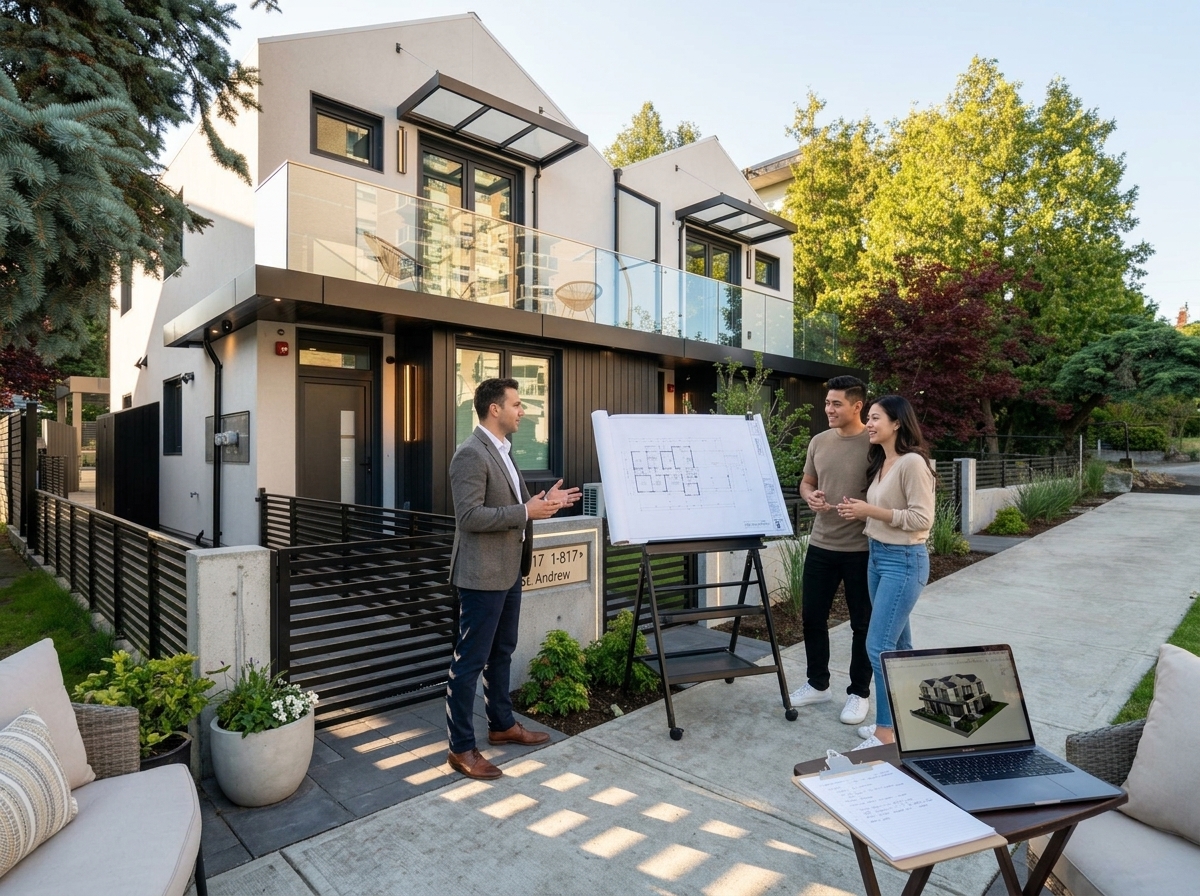
Your home should be a sanctuary that provides comfort and efficiency. By focusing on specific design elements, you can create a space that is both inviting and functional.
High-Performance Building Envelope
A high-performance building envelope is crucial for maintaining indoor comfort and reducing energy consumption. This includes the walls, roof, windows, and doors that separate the interior from the exterior. Use high-quality insulation materials and windows to minimize heat loss. Proper sealing can prevent air leaks, maintaining a consistent indoor temperature. By investing in these areas, you ensure a comfortable home environment year-round.
Energy-Efficient Home Design Essentials
Key design essentials can greatly enhance energy efficiency. Consider the orientation of your home to maximize natural light and ventilation. Choose energy-efficient appliances and lighting to reduce electricity use. Incorporate smart home technologies that allow you to monitor and control energy consumption easily. These thoughtful design choices can lead to a more sustainable and cost-effective home.
Incorporating BC Energy Step Code
The BC Energy Step Code provides a framework for building energy-efficient homes. It outlines specific performance targets for energy use, helping you design a home that meets stringent efficiency standards. Familiarize yourself with these requirements early in the planning process. This ensures your home not only complies with local regulations but also enhances its resale value. Working with a builder experienced in the Step Code can ease this transition.
Ensuring Long-Term Value

Building a home is a significant investment. Ensuring long-term value requires attention to quality, craftsmanship, and effective project management.
Navigating Vancouver Building Codes
Understanding and adhering to Vancouver’s building codes is essential for a successful build. These codes ensure safety and durability, impacting everything from structural components to electrical systems. Stay informed about any changes to local regulations throughout your project. A reputable contractor like CityLink Homes can help navigate these codes, ensuring compliance and preventing costly errors.
Quality Craftsmanship and Resale Value
Quality craftsmanship is the cornerstone of a lasting home. Choose materials and finishes that stand the test of time, enhancing both the functionality and appearance of your home. High-quality craftsmanship not only contributes to your personal enjoyment but also boosts resale value. Prospective buyers will appreciate the attention to detail and durability, making your home a desirable property in the future.
Construction Project Management Essentials
Effective project management is crucial for keeping your build on time and within budget. Establish clear timelines and budgets from the onset, and maintain open communication with your contractor. Regular updates and check-ins ensure that any issues are addressed promptly. A structured approach helps manage costs and expectations, leading to a smoother construction process and a completed home that meets all your specifications.
By following these steps and focusing on comfort, efficiency, and long-term value, you can create a custom home that truly reflects your lifestyle and values. For more insights and inspiration, explore our blog on custom home features and learn from others who have walked this path in the Vancouver community.