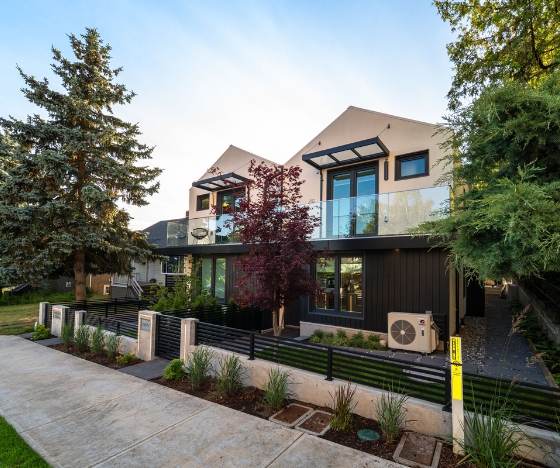
Building a duplex in Vancouver comes with a maze of zoning rules, permit hurdles, and cost questions that can quickly overwhelm any homeowner or small developer. If you’ve wondered how to navigate Vancouver duplex zoning or the permit process without delays and surprises, you’re in the right place. This guide breaks down everything from feasibility checks to timelines, so you can confidently plan your custom duplex home with CityLink Homes by your side. For more details, check out Vancouver Building By-law guidelines.
Understanding Vancouver Duplex Zoning
Navigating Vancouver’s duplex zoning is crucial to starting your build on the right foot. This section will guide you through key regulations and zoning nuances, ensuring you know the essentials before breaking ground.
Key Zoning Regulations
Understanding zoning regulations is the first step in building a duplex in Vancouver. These rules dictate what you can build and where. For instance, certain areas are designated specifically for duplexes, ensuring the neighborhood maintains its character. You’ll need to check local zoning maps to see if your desired location allows for a duplex.
Additionally, there are specific requirements for lot sizes and building heights. Vancouver typically requires a minimum lot size to qualify for duplex construction. This ensures that the duplex fits well within the neighborhood. Building height restrictions help maintain a consistent skyline and protect views.
Another important factor is setback regulations, which dictate how far the building must be from property lines. This rule helps maintain privacy and space between structures. Understanding these regulations early can save time and prevent costly redesigns later.
Multiplex Zoning in Vancouver
Vancouver’s multiplex zoning offers a unique opportunity for developers and homeowners. This zoning allows for multiple units on a single lot, which can be a great way to maximize space and investment. To make the most of this, you need to understand the specific guidelines that apply to multiplex developments.
Firstly, each zone will have its own set of rules regarding the number of units allowed and their layout. This can affect how you plan your duplex in terms of design and function. You also need to consider parking requirements, as these can significantly impact your design.
Another consideration is the neighborhood’s character. Vancouver places a strong emphasis on maintaining the aesthetic of its communities. Your design will need to align with these expectations to gain approval. Being aware of these factors can streamline the process and improve your project’s success rate.
Navigating Vancouver Building By-law
The Vancouver Building By-law outlines the technical requirements for duplex construction. Compliance with these standards is non-negotiable if you want your project to proceed smoothly. The by-law covers everything from structural integrity to energy efficiency.
One of the key elements is ensuring your building plans meet the code’s safety standards. This includes things like fire safety measures and structural stability. Ensuring these are met not only keeps future residents safe but also avoids costly delays during inspections.
Energy efficiency is another major component of the by-law. Vancouver is committed to sustainability, and your duplex will need to meet these energy standards. This could involve using specific materials or incorporating energy-saving technologies.
Understanding and adhering to these by-laws from the start will make the approval process much smoother. It also sets your project up for success by ensuring it meets all necessary legal and safety requirements.
Mastering the Duplex Permit Process
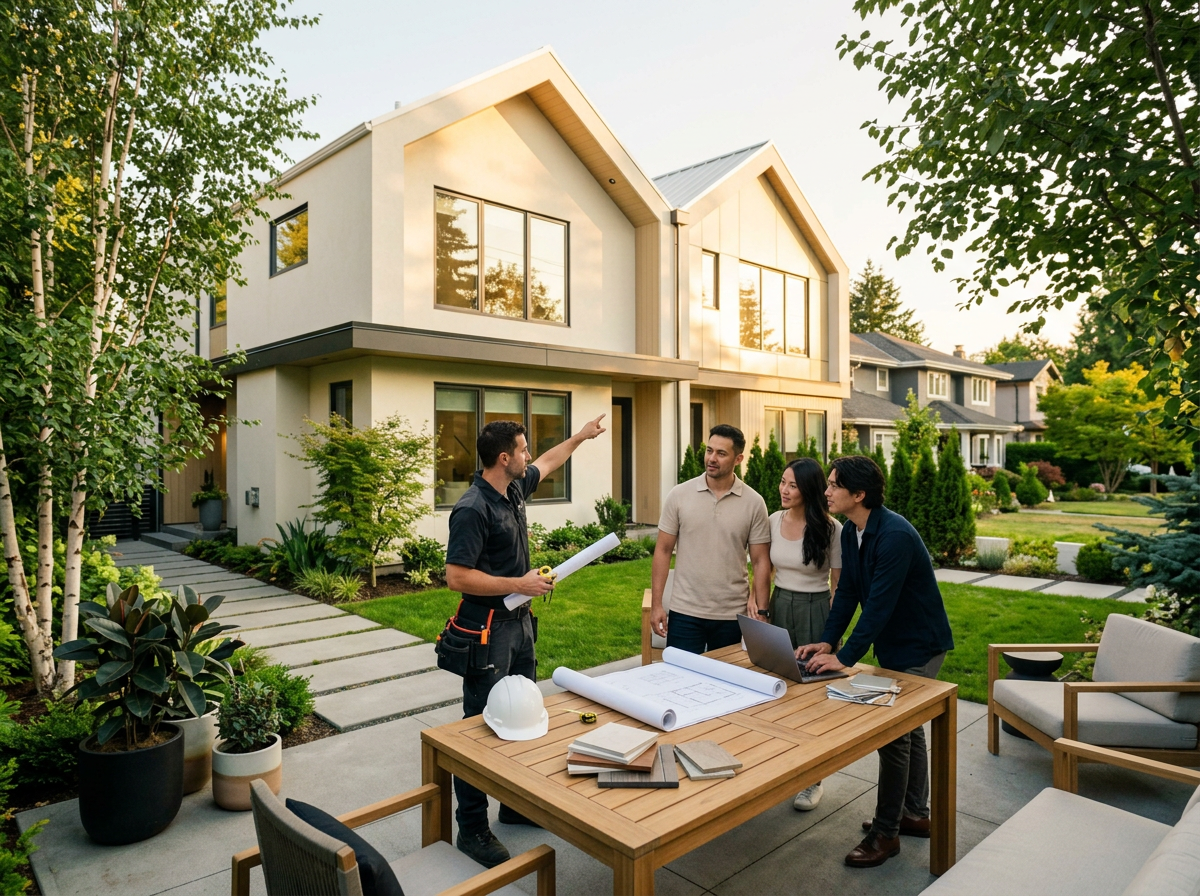
After zoning, the next hurdle is navigating the permit process. This can be complex, but with the right knowledge, you can streamline your journey from application to approval.
Streamlining the Permit Journey
Securing permits in Vancouver can be a daunting task, but preparation is key. Start by gathering all necessary documents, including site plans, architectural drawings, and any environmental assessments. These are crucial for your application to be considered complete.
Once you have your documents ready, submit them to the city’s permitting office. Be prepared for a review process, where officials will ensure your plans meet all regulations. This can take several weeks, so patience is essential.
To avoid delays, make sure all your paperwork is accurate and complete. Any missing or incorrect information can result in significant setbacks. Regularly check the status of your application and be ready to provide additional information if requested. Staying organized and responsive can significantly speed up the process.
Step Code Compliance Essentials
The BC Energy Step Code is a performance-based standard that aims to improve energy efficiency. For your duplex, this means meeting specific energy performance targets. Understanding these requirements early can help you design a more efficient building.
Start by consulting with an energy advisor who can guide you through the Step Code process. They can help you identify areas where your design can be more efficient, from insulation choices to heating systems.
Implementing these changes not only meets legal requirements but can also reduce future energy costs. A well-designed duplex will use less energy, saving you and future residents money in the long run. Prioritizing energy efficiency from the start is a smart move that pays off over time.
Overcoming Common Permit Challenges
Permitting in Vancouver isn’t without its challenges. Common obstacles include delays due to incomplete applications and unexpected regulatory changes. Being proactive is your best strategy.
First, ensure your application is complete before submission. Double-check all documents and consult with experts if needed. This minimizes the risk of delays due to missing information.
Second, keep informed about any changes in local regulations. These can impact your project significantly. By staying updated, you can adapt quickly and avoid potential disruptions.
Finally, consider working with a local contractor familiar with the permitting process. Their expertise can be invaluable in navigating complex regulations and speeding up approvals.
Costs and Timelines for Duplex Construction
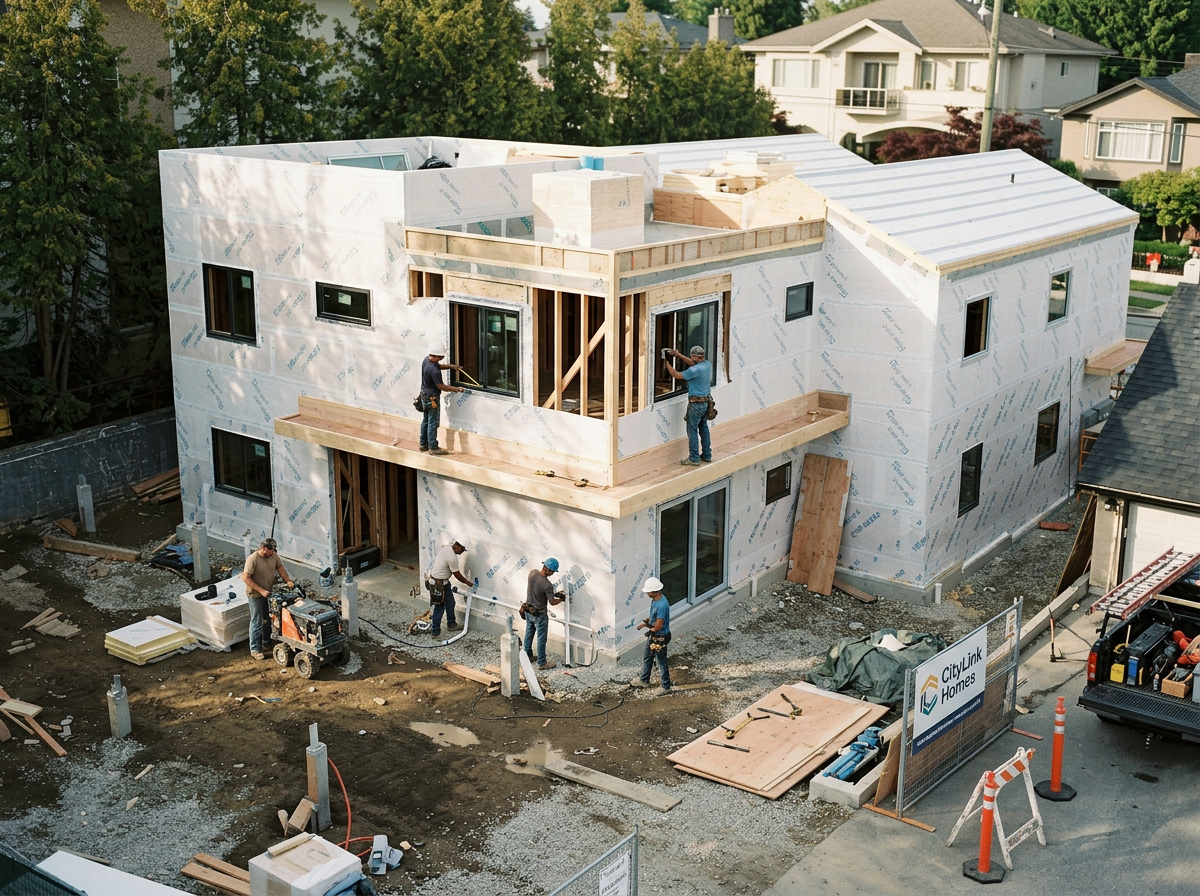
Understanding the financial and time commitments involved in duplex construction is crucial. This section will help you estimate costs and craft an efficient timeline.
Estimating Duplex Costs in Vancouver
Building a duplex involves various costs, including land, materials, and labor. In Vancouver, these can add up quickly. To manage your budget effectively, start with a detailed cost estimate.
Land acquisition is usually the first major expense. Prices can vary greatly depending on location, so research is key. Once you have your land, factor in construction costs. These include materials, which should be high-quality to ensure durability, and labor, which can fluctuate based on demand.
Don’t forget to budget for permits and inspections. These are essential and can add a significant amount to your total costs. By planning carefully and consulting with experts, you can create a realistic budget that covers all necessary expenses.
Crafting an Efficient Construction Timeline
Creating a timeline is essential for keeping your project on track. Start by outlining each phase of construction, from site preparation to final inspections. Assign realistic timeframes to each task to keep your project moving smoothly.
Consider potential delays, such as weather or supply chain disruptions, and build in buffer time to account for these. Regularly monitor progress and adjust your timeline as needed.
Communication is key. Keeping all stakeholders informed ensures everyone is aligned and can help address issues promptly. A well-managed timeline not only keeps your project on schedule but also helps control costs.
Ensuring Energy-Efficient Duplex Design
Energy efficiency is not just a requirement but a wise investment. An energy-efficient design reduces utility bills and increases the property’s value. To achieve this, start with a solid plan.
Incorporate energy-efficient technologies, like high-performance windows and advanced insulation. These reduce heat loss and maintain a comfortable indoor climate. Consider renewable energy sources, like solar panels, to further decrease energy consumption.
Consult with experts to identify the best strategies for your project. An energy-efficient duplex is not only environmentally friendly but also appealing to potential buyers or tenants. This makes your investment more attractive and sustainable in the long term.
By understanding zoning regulations, mastering the permit process, and estimating costs accurately, you can confidently embark on building a duplex in Vancouver. Each step you take with precision and care will bring your vision closer to reality—transforming a complex process into a rewarding journey.