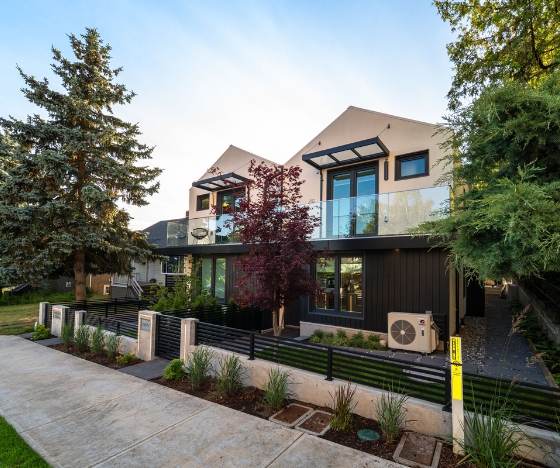
Planning a custom home in Vancouver means more than picking finishes and floor plans. You want a space that feels comfortable, saves energy, and holds its value for years. With the right approach to custom home planning in Vancouver, you can avoid costly surprises and build smarter from the start. Let’s walk through the key steps that make your vision real—while meeting local codes and boosting efficiency.
Laying the Groundwork for Success
The journey to your dream home begins with careful planning. This stage sets the stage for a smooth construction process. Let’s explore the first critical steps in making your custom home vision come to life.
Understanding Vancouver Building Permits
Before you break ground, you’ll need to navigate Vancouver’s permit process. Building permits ensure compliance with local codes, safeguarding your investment. Start by contacting the city to understand Vancouver building permits, requirements, and timelines. Each permit relates to specific aspects like plumbing, electrical, and structural work.
Securing these permits might seem daunting, but it protects you from future legal hassles. Consulting with a Vancouver general contractor can streamline this process. They bring expertise, ensuring all necessary permits are secured promptly. Without permits, you risk fines and project delays. So, make this step your priority.
Key Steps in Custom Home Planning Vancouver
Once permits are in place, outline your home-building steps. Define your budget and prioritize features. Knowing your financial boundaries allows for informed decisions on design, materials, and contractor selection.
Next, create a detailed plan. This includes layout, style, and must-have features. Consider energy-efficient solutions that align with the BC Energy Step Code. This planning phase lays the foundation for a successful project. Collaborate with a design-build team to keep your project on track and within budget.
Partnering with a Trusted Vancouver General Contractor
Choosing the right contractor is crucial. A trusted partner like CityLink Homes brings years of experience and local knowledge. They’ll guide you through every phase, ensuring quality and adherence to timelines.
Research potential contractors, checking references and previous projects. Look for a team with a strong reputation in construction project management. A good contractor offers peace of mind, handling the complexities of building while you focus on design choices. Remember, the longer you wait to find the right contractor, the more you risk project delays.
Design for Comfort and Energy Efficiency
Designing your home is more than aesthetics. It’s about creating a space that’s comfortable and energy-efficient. Let’s dig into what makes a high-performance home in Vancouver.
High-Performance Home Vancouver Essentials
Creating a high-performance home involves using smart design and technology. Start by considering airtightness and insulation. Proper insulation keeps your home warm in winter and cool in summer, reducing energy bills.
Incorporate triple-pane windows for better thermal performance. These windows minimize heat loss and reduce noise, enhancing comfort. Additionally, install an HRV ventilation system to maintain air quality while conserving energy. Each of these elements contributes to an energy-efficient home, saving you money over time.
Passive House Principles and Their Benefits
Passive House principles focus on sustainability and comfort. These principles improve indoor air quality and temperature regulation, making your home healthier to live in. The Passive House standard emphasizes airtight construction, high-quality insulation, and energy-efficient windows.
By adopting these principles, you enhance your home’s durability and value. You’ll also enjoy lower utility bills and a reduced carbon footprint. Most people think energy-efficient homes are costly, but the initial investment pays off through long-term savings.
Choosing Sustainable Building Materials
Sustainability starts with your building materials. Opt for materials that are renewable, recycled, or sustainably sourced. Look into options like bamboo flooring or recycled steel for framing. These choices reduce your home’s environmental impact and can improve its resale value.
Consider the carbon footprint of your materials. Locally sourced materials typically have a lower environmental impact due to reduced transportation emissions. Choosing carefully not only benefits the planet but also sets your home apart in the market.
Maximizing Long-Term Value
Building your home is a significant investment. Ensuring it retains value over time is crucial. Here’s how you can achieve that.
Value Engineering Construction Explained
Value engineering is about optimizing your construction budget without compromising quality. It involves evaluating materials and methods to find cost-effective solutions that maintain functionality and aesthetics.
For instance, choosing a design-build approach can streamline processes and reduce costs. This method integrates design and construction, ensuring every decision aligns with your budget and vision. By applying value engineering, you make every dollar count, enhancing your home’s value.
Benefits of Heat Pump Home Heating
Switching to heat pump home heating offers numerous benefits. Heat pumps are efficient, providing both heating and cooling. They use less energy than traditional systems, cutting down on utility bills. Plus, they align with Vancouver’s push for energy-efficient homes.
Heat pumps also improve indoor air quality by filtering dust and allergens. This can be particularly beneficial for families with respiratory concerns. As energy costs rise, a heat pump system becomes a wise investment, offering comfort and cost savings.
Construction Project Management Tips
Effective project management is key to a successful build. Start by setting clear timelines and milestones. Use a detailed schedule to track progress and avoid delays. Communication is crucial; regular updates with your contractor keep everyone aligned.
Budget management is also vital. Monitor expenses to stay on track. A good construction project management strategy minimizes surprises and keeps your project moving smoothly. Remember, proactive management leads to a home that’s built on time, within budget, and to your satisfaction.
In summary, planning a custom home in Vancouver requires thoughtful preparation and collaboration. By focusing on permits, design, and sustainable practices, you ensure a home that’s comfortable, efficient, and valuable for years to come.