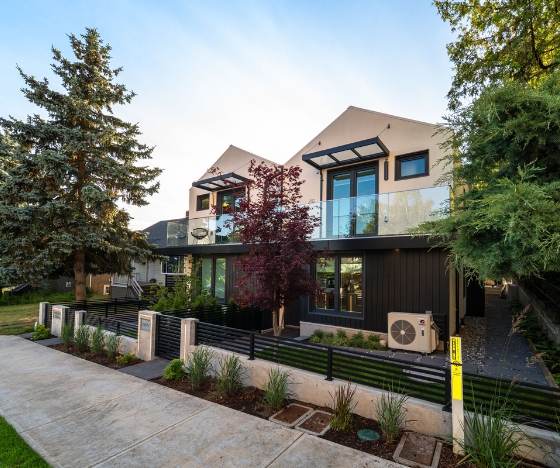
Vancouver Building Codes 101: Essential Insights Every Homeowner Should Know Before You Build
Most homeowners underestimate how tricky Vancouver building codes can be until they face delays or costly fixes. Navigating the Vancouver Building By-law, zoning rules, and permit processes can quickly overwhelm your project. Knowing the essentials before you start saves time, money, and stress—and sets your build or renovation on the right path. Let’s break down what every Vancouver homeowner should know to keep your construction moving smoothly. For more information, visit [https://www2.gov.bc.ca/assets/gov/farming-natural-resources-and-industry/construction-industry/building-codes-and-standards/revisions-and-mo/bcbc_2024.pdf].
Understanding Vancouver Building Codes
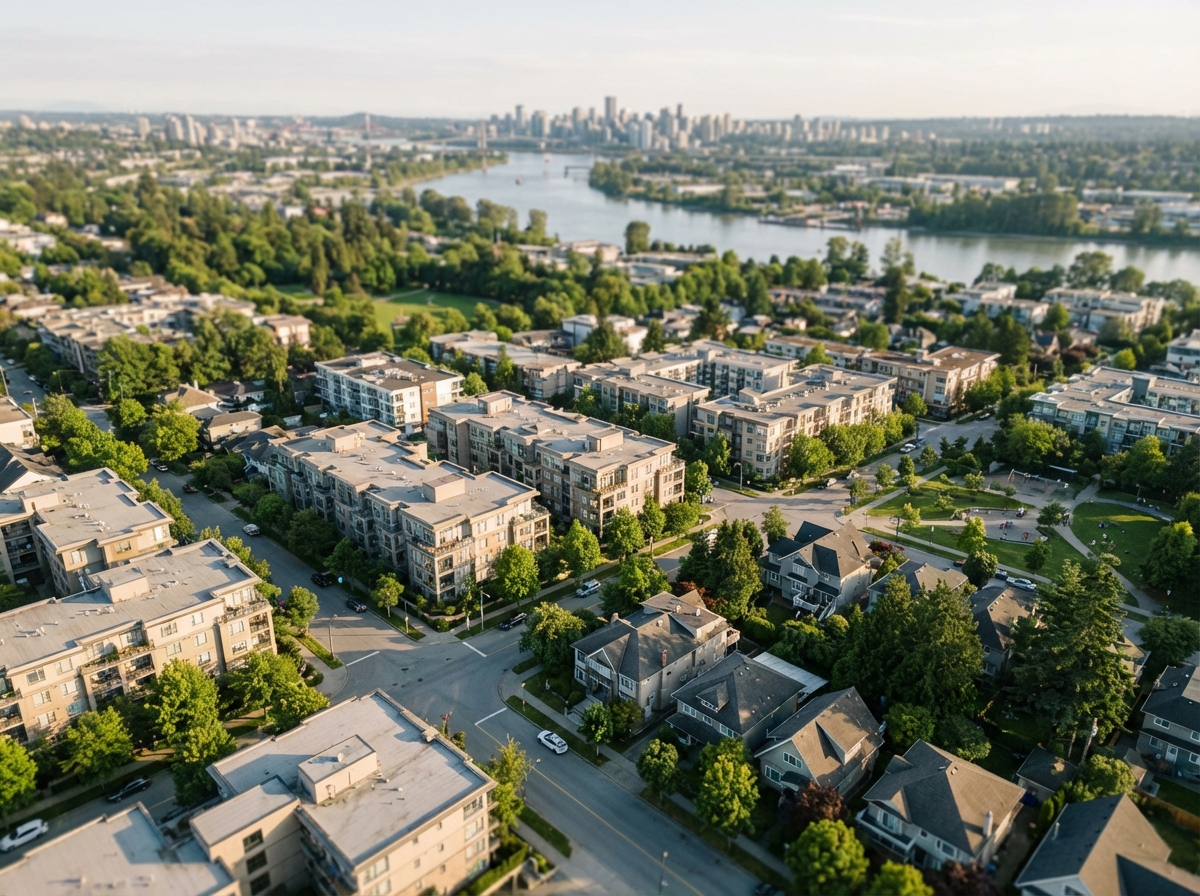
Diving into the world of building codes? Vancouver’s guidelines are unique and can feel daunting. Let’s simplify it, ensuring your project starts on the right foot.
Navigating the Vancouver Building By-law
Many assume the Vancouver Building By-law is a carbon copy of other codes, but it’s not. This by-law is tailored specifically to the city’s needs, focusing on safety and sustainability. When you’re planning your project, keep in mind that these rules ensure both the safety and the efficiency of your build. Ignoring them can lead to significant setbacks. For instance, if you’re unaware of specific insulation requirements, you might face costly adjustments later. To avoid these pitfalls, familiarize yourself with these regulations early on. Need more in-depth insights? Explore BC’s Construction Codes.
Key Differences: BC Building Code and VBBL
Confused by the BC Building Code and the VBBL? You’re not alone. While the BC Building Code serves the entire province, the VBBL is specific to Vancouver, addressing local challenges and requirements. Consider energy efficiency: the VBBL incorporates elements of the BC Energy Step Code, pushing for greener builds. This means if you’re planning a new home, you’ll need to integrate energy-saving features that aren’t necessarily mandatory elsewhere in BC. Understanding these differences ensures your project complies with local standards, saving you headaches down the road.
Essential Zoning Bylaws in Vancouver
Zoning bylaws dictate what can be built where. In Vancouver, these rules can impact everything from building height to the type of construction allowed. For example, setbacks and floor space ratio (FSR) are crucial when determining how much of your lot you can utilize. Miscalculating these can lead to design revisions. Always check the zoning of your property before planning your dream home. This knowledge helps in aligning your design with community standards and avoiding unnecessary redesigns.
Permitting Essentials for Homeowners
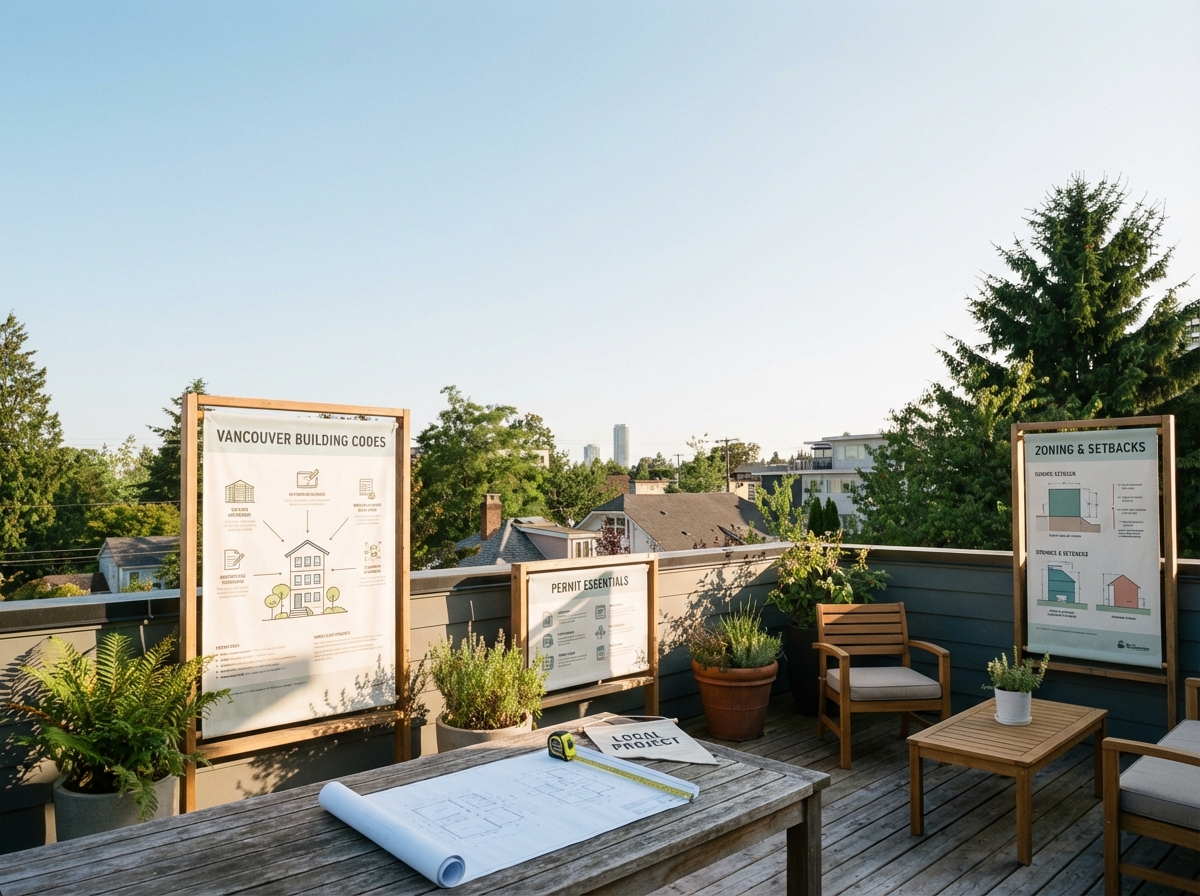
Permits are the lifeblood of legal construction. Without them, projects stall. Understanding permit types can smooth your journey from blueprint to build.
Comparing Development Permit vs Building Permit
When embarking on a build, you’ll encounter two primary permits: development and building. A development permit focuses on the use of land, ensuring your project aligns with zoning and community plans. On the other hand, a building permit is concerned with the technical aspects, ensuring construction meets safety and building codes. Think of it this way: development permits set the stage, while building permits allow the show to start. Knowing which to apply for first can streamline your process, keeping your project on track.
Common Pitfalls in Permit Drawings Vancouver
Permit drawings are more than just sketches. They’re detailed plans that must meet specific criteria. Many homeowners overlook small details, leading to permit rejections. These can include incorrect measurements, missing information, or non-compliance with zoning bylaws. For example, failing to include a detailed site plan showing proposed structures can delay your approval. To avoid these common pitfalls, work with experienced professionals familiar with Vancouver’s requirements. Their expertise can save you time and hassle.
Permit Timeline for Home Renovations
Have a tight renovation schedule? Permit timelines can vary, but understanding the process can help you plan better. On average, small renovation permits might take a few weeks, while larger projects can extend to several months. It’s crucial to factor in these timelines into your project planning. The City of Vancouver’s processing times are often influenced by the project’s complexity and current application volumes. Staying informed and proactive can help you navigate potential delays and keep your renovation on track.
Inspection and Compliance Best Practices

Once permits are in hand, inspections ensure compliance. They aren’t just formalities; they’re essential for safety and legality.
Critical Inspection Stages in Vancouver
Each construction stage has its inspections. These are checkpoints ensuring your build adheres to local codes. From framing to plumbing, each phase requires a thumbs-up before proceeding. Missing an inspection can halt your project. For example, a missed structural inspection might mean undoing work to expose areas for review. Prioritize these inspections, keeping a schedule to avoid costly delays. For detailed guidance, refer to resources like the Heritage BC Construction Guide.
Achieving Secondary Suite Compliance
Thinking of adding a secondary suite? Compliance is key. Vancouver has specific rules for secondary suites, including ceiling heights, egress windows, and soundproofing requirements. Ignoring these can result in your suite being deemed illegal, impacting its rental potential. To ensure compliance, work with professionals who understand these requirements. They’ll guide you through the process, ensuring your suite is both legal and desirable to potential tenants.
Steps to Finalize Your Occupancy Permit
Finalizing an occupancy permit is the last hurdle before moving in. This permit confirms your project meets all codes and is safe for occupancy. To achieve this, ensure all inspections are passed and any deficiencies addressed. It’s also vital to submit all required documentation promptly. Once done, you receive the green light to enjoy your new space. Remember, rushing this process can lead to overlooked issues. Patience and thoroughness ensure a smooth transition from construction to occupancy.
By understanding these essentials, you position yourself for a successful build or renovation. CityLink Homes is here to assist in navigating these complexities, ensuring your project is both compliant and beautifully executed.