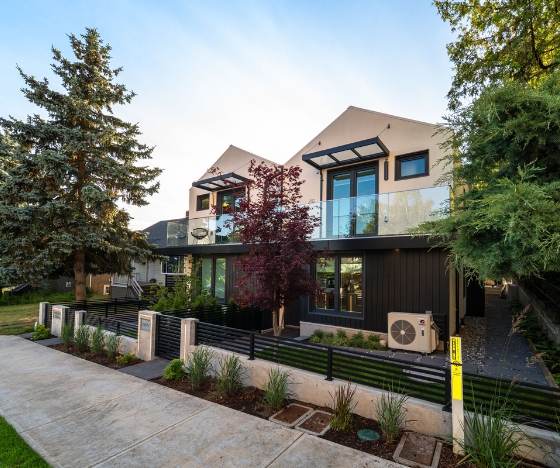
How to Navigate Vancouver’s Building Bylaws for a Hassle-Free Build
Vancouver’s building bylaws can trip up even the most prepared builders, turning clear plans into costly delays. If you’re planning a custom home, renovation, or multi-family project, understanding the City of Vancouver permits and zoning rules is key to staying on schedule. We’ll guide you through the essential steps to make your construction project smooth and hassle-free, so you can focus on bringing your vision to life. For more detailed information, you can refer to this guide.
Understanding Vancouver Building Bylaws
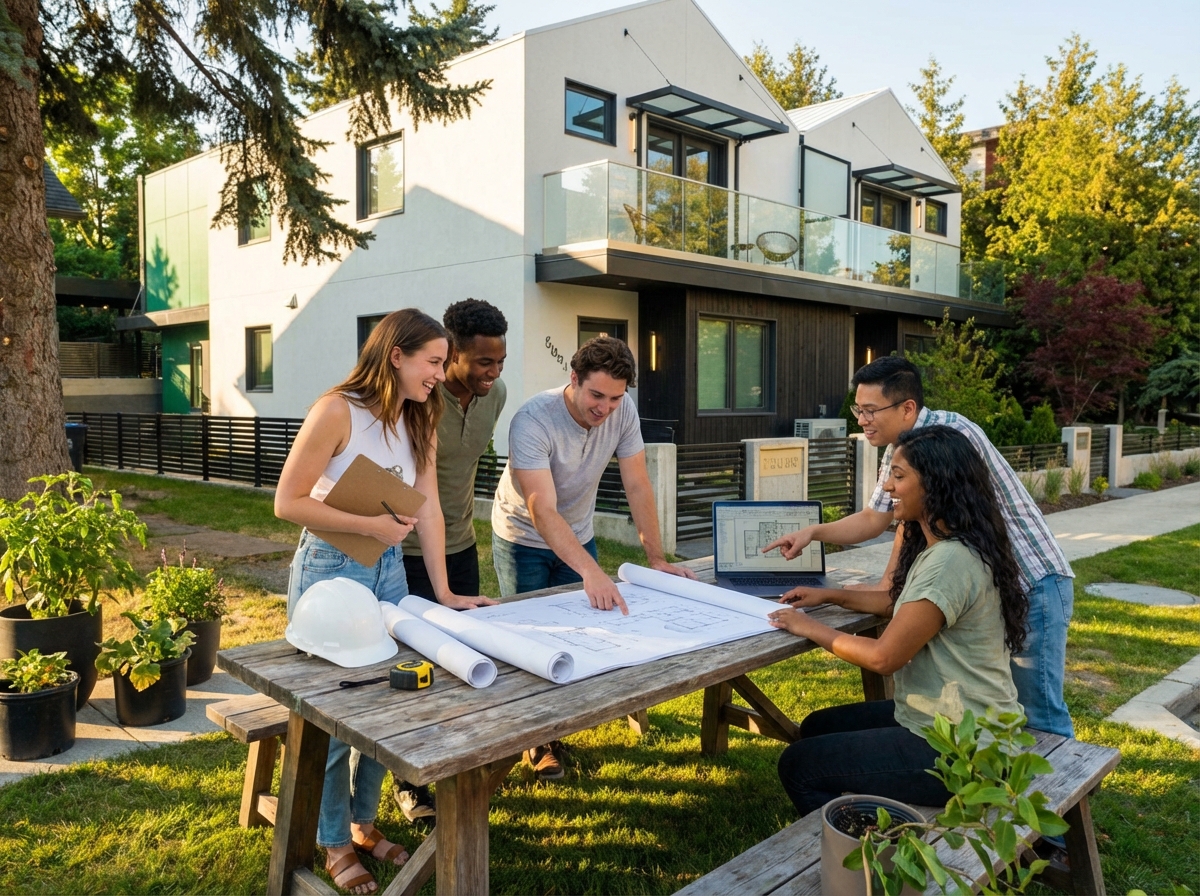
Grasping the local bylaws is crucial for a smooth project. Let’s delve into the specifics you need to know.
Key Bylaws to Consider
When you’re planning a build in Vancouver, understanding the bylaws is essential. They dictate everything from building height to energy efficiency. For instance, the BC Energy Step Code mandates certain energy-efficient building practices. Missing these details can lead to redoing work, which is both costly and time-consuming.
Moreover, heritage home renovations require adherence to specific rules to preserve historical integrity. This might mean keeping certain architectural features intact. It’s crucial to plan with these aspects in mind. Connecting with local experts can help navigate these regulations and ensure compliance from the start.
Common Misconceptions
Many people think that these bylaws are rigid and inflexible. Yet, they are often more adaptable than they seem. Changes and exceptions can sometimes be made, especially if you’re planning energy efficient homes or have a unique project need.
Homeowners often assume that zoning laws are straightforward. However, boundary lines and setback regulations can vary greatly. This can affect the total size of your building or how much of your lot you can use. Always verify with the latest guidelines or consult a trusted source to avoid surprises.
The Permitting Process

Getting permits is a critical step in construction. Here’s how to handle it without a hitch.
Steps for Obtaining City of Vancouver Permits
Securing a building permit in Vancouver involves several steps. First, you need to determine if your project requires a permit. Most major renovations or new constructions do. Start by gathering all necessary documents, like blueprints and geotechnical reports.
Next, submit your application to the city. This includes filling out forms and paying fees. It’s wise to review the City of Vancouver’s guidelines to ensure you have everything in order. Once submitted, your application will be reviewed, which can take some time.
Finally, after approval, you’ll receive your permit. It’s crucial to post it visibly at your construction site. Remember, this process is not just a formality. It ensures your project complies with local laws and safety standards.
Avoiding Delays and Complications
Delays in obtaining permits can derail your timeline. Often, these occur due to incomplete submissions or overlooked details. For example, not having an arborist report for tree assessments can stall your progress.
To avoid these issues, plan thoroughly from the start. Double-check your documentation before submission. Keep lines of communication open with city officials to swiftly address any concerns. Also, consider working with a general contractor in Vancouver who knows the ropes. This guidance can prevent expensive setbacks and keep your project moving forward. For more tips, check out this beginner’s guide.
Zoning and Construction Planning
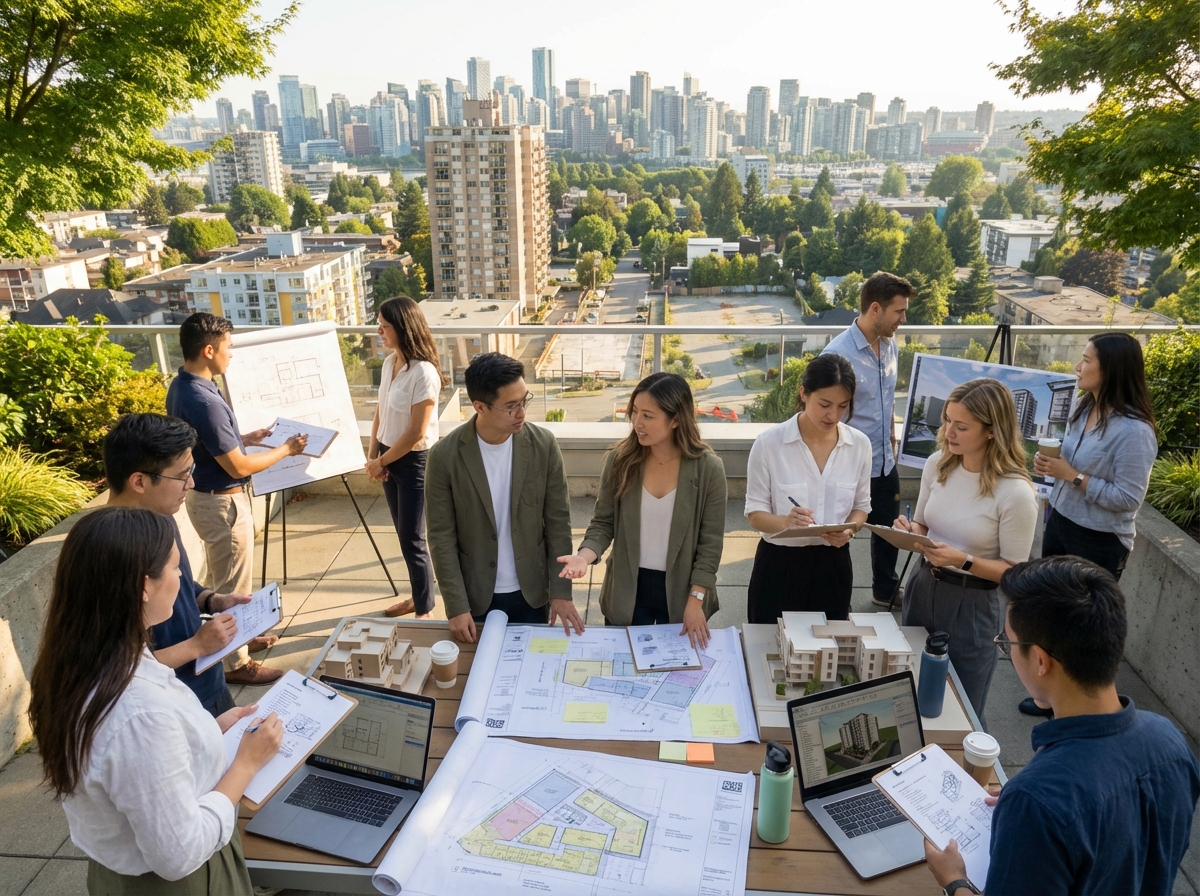
Zoning laws shape what you can build, where, and how. Understanding them is fundamental for your project.
Vancouver Zoning and Setbacks
Zoning regulations define how land can be used and developed. In Vancouver, these rules vary by neighborhood. They determine the types of structures allowed and their placement on the lot. For instance, setbacks require buildings to be a certain distance from property lines, which can influence your design.
Consider your project type: are you planning a laneway or infill home? Each has specific zoning requirements. Familiarize yourself with these early on. This knowledge helps you design within allowable limits and avoid costly redesigns later. Always use up-to-date resources, like the city’s guide, to stay informed.
Pre-Construction Planning Essentials
Before breaking ground, thorough planning is essential. Start by securing all necessary reports. An arborist report evaluates tree impact, while a geotechnical report assesses soil conditions. These documents are often required for permit approval.
Next, arrange your timeline. Allow buffer time for unexpected delays, especially during inspections. Getting clear on each phase helps avoid rushed decisions. Also, consider the impact on neighbors, as construction noise and traffic can be disruptive. Keeping open communication with them can ease tensions and foster a cooperative environment.
Remember, every successful project starts with a solid plan. By understanding and adhering to the rules, you ensure a smoother path to completion. If you’re feeling overwhelmed, CityLink Homes is here to help you navigate this process with ease and expertise.