Understanding the Cost to Build a Passive Home in Vancouver: Budget, Incentives, and Smart Trade‑Offs
Building a Passive Home in Vancouver often raises questions about cost and value. Knowing what affects the Passive House cost Vancouver helps you plan a realistic budget without surprises. This post breaks down common expenses, compares premiums to standard builds, and highlights incentives that can offset upfront costs. With insights from CityLink Homes’ 25 years of local expertise, you’ll see how smart choices keep your project on track without cutting corners. For more information, visit CityLink Homes.
Navigating Passive Home Costs in Vancouver
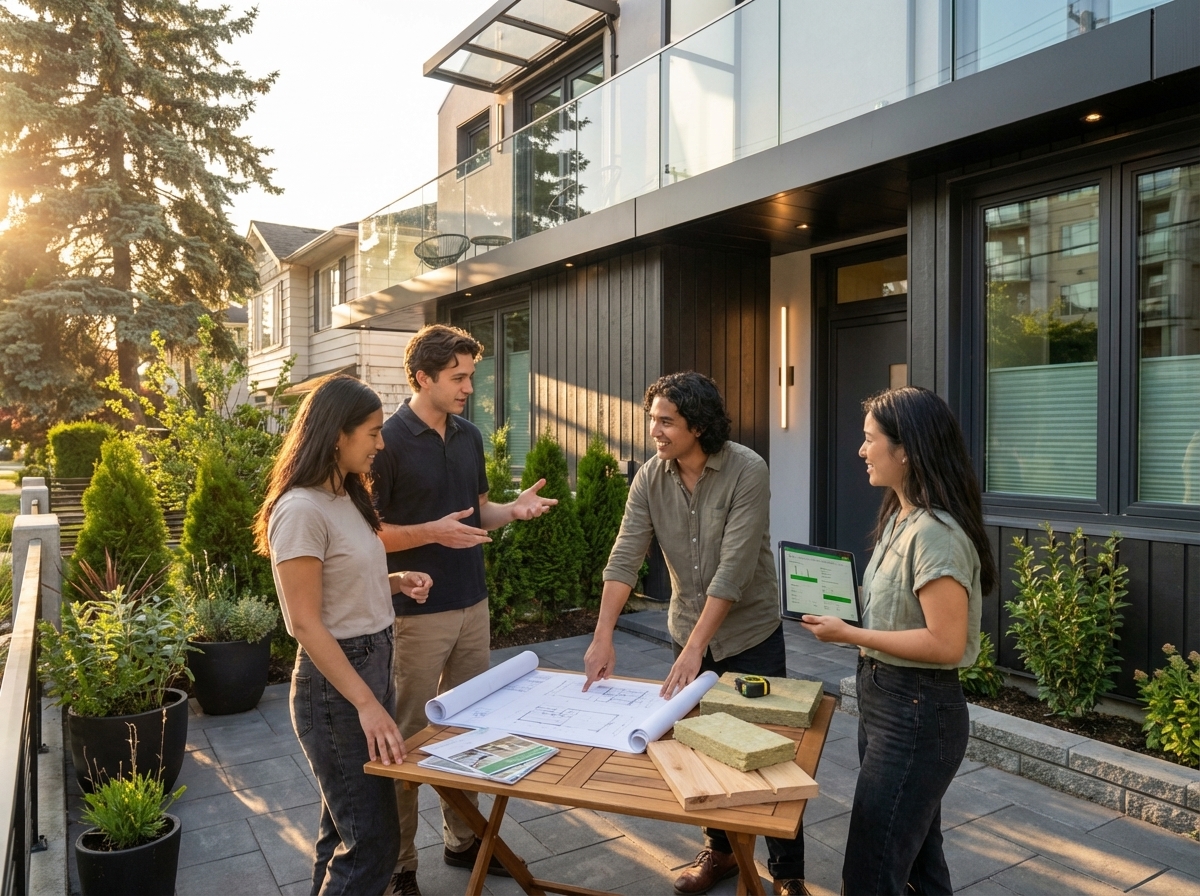
Starting a Passive Home project in Vancouver can feel daunting. Understanding budget ranges and what influences costs will guide your decisions.
Understanding Budget Ranges
Setting a budget is your first step. It helps you avoid overspending. In Vancouver, the cost to build a passive home varies. Factors like location, size, and materials affect your budget. A detailed plan keeps your project on track. Here’s the key insight: knowing potential costs helps you manage funds wisely.
Most people think size is the only cost driver, but location and materials matter too. For example, building in densely populated areas might cost more due to land prices. This article by Michael Drage gives more insights into building costs: How Much Does it Cost to Build a Passive House.
Comparing Passive House Premiums vs Code Minimum
Passive Houses often have a premium cost compared to code minimum homes due to energy-efficient features. Yet, they offer long-term savings on energy bills. The upfront premium might seem high, but the benefits outweigh the initial costs.
Consider this: investing in energy-efficient systems reduces long-term expenses, making it a smart financial move. Most people overlook this aspect, focusing only on initial costs. As a result, they miss out on potential savings.
Construction Cost Per Square Foot in Vancouver
Construction costs for a Passive House in Vancouver can vary widely based on several factors like materials and labor. Knowing the average cost per square foot is crucial for effective planning. Although opting for high-quality materials might increase the costs, the enhanced durability justifies the investment.
For Passive Houses, expect construction costs to range between $300 to $500 per square foot. This guide offers more insights: Cost to Build a House in BC. Staying informed helps you budget accurately, avoiding surprises.
Incentives and Long-term Savings

Exploring available incentives can significantly reduce your costs. These options help offset initial expenses, making energy-efficient homes more attainable.
Energy-efficient Home Incentives in BC
In BC, incentives encourage homeowners to embrace energy-efficient solutions. Programs offer rebates and financial support. Understanding these incentives can lower your overall expenses.
Many homeowners miss these opportunities, thinking they’re too complex. However, programs are straightforward and beneficial. By exploring these options, you reduce upfront costs and contribute to a sustainable future.
CleanBC and BC Hydro Rebates
CleanBC and BC Hydro offer rebates for energy-efficient homes. These initiatives support sustainable living while reducing costs. Applying for these rebates is a smart move for budget-conscious homeowners.
The longer you wait, the more savings you miss. Act now to take advantage of these programs. They provide financial relief, making green homes more affordable. Visit Passive House Canada Projects to learn more.
Net-zero Ready Home Savings
Net-zero homes align with sustainability goals, saving you money in the long run. These homes focus on reducing energy consumption, resulting in lower bills. For many, the initial cost is a barrier, but the long-term savings are substantial.
Most people think net-zero homes are out of reach, but rebates and incentives make them attainable. By choosing a net-zero ready home, you invest in a future-proof solution.
Smart Trade-offs for High Performance
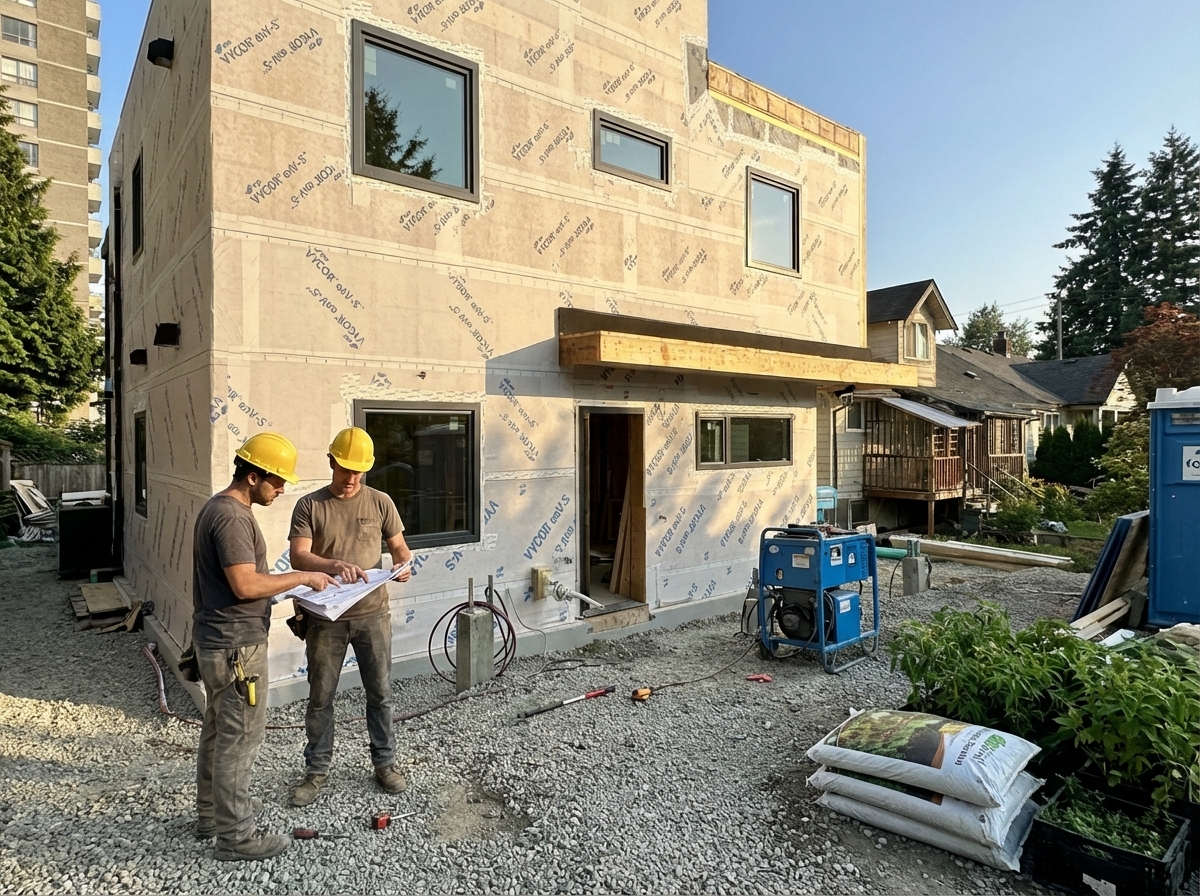
Balancing performance and cost is crucial for any construction project. Smart trade-offs ensure you get the best value without compromising quality.
Managing Airtightness and Insulation
Airtightness and insulation are vital for energy efficiency. Proper management reduces energy loss, lowering bills. Investing in quality insulation pays off over time, enhancing comfort and sustainability.
The airtightness blower door test is essential for assessing your home’s performance. It ensures your investment meets efficiency standards, providing peace of mind. Learn more about managing costs effectively in this Reddit discussion.
Evaluating Triple-pane Windows and HRV/ERV Costs
Triple-pane windows and HRV/ERV systems improve your home’s energy efficiency. While they might cost more upfront, they enhance comfort and reduce energy bills. These upgrades make a noticeable difference in your home’s performance.
Homeowners often overlook these elements, but they’re crucial for efficiency. Investing in these systems now means long-term savings on heating and cooling costs. Your investment ensures a comfortable living environment.
Balancing Performance and Cost with CityLink Homes
CityLink Homes helps you balance performance and cost effectively. We focus on delivering high-quality results without stretching your budget. Our approach ensures you get the best outcomes.
With over 25 years of experience, CityLink Homes provides expert guidance. We help you navigate complex decisions, ensuring your home meets your needs. Discover how we can make your vision a reality by visiting CityLink Homes.