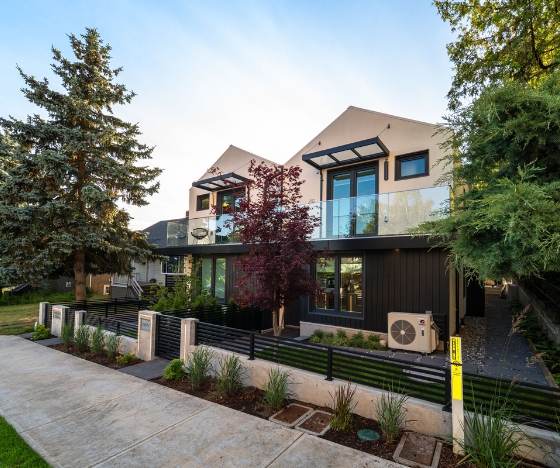
The Vancouver Multi-Family Project Playbook: Plan, Permit, and Build with Confidence
Most multi-family residential projects in Vancouver stall long before construction starts. You’ve probably felt the frustration of navigating complex rezoning Vancouver rules, managing development permit Vancouver requirements, and juggling Vancouver building codes—all while keeping your budget and timeline intact. This guide breaks down every step of Vancouver multi-family construction with CityLink Homes, so you can plan, permit, and build your project confidently from start to finish. Learn more about managing multi-family residential projects in Vancouver here.
Planning Your Multi-Family Project
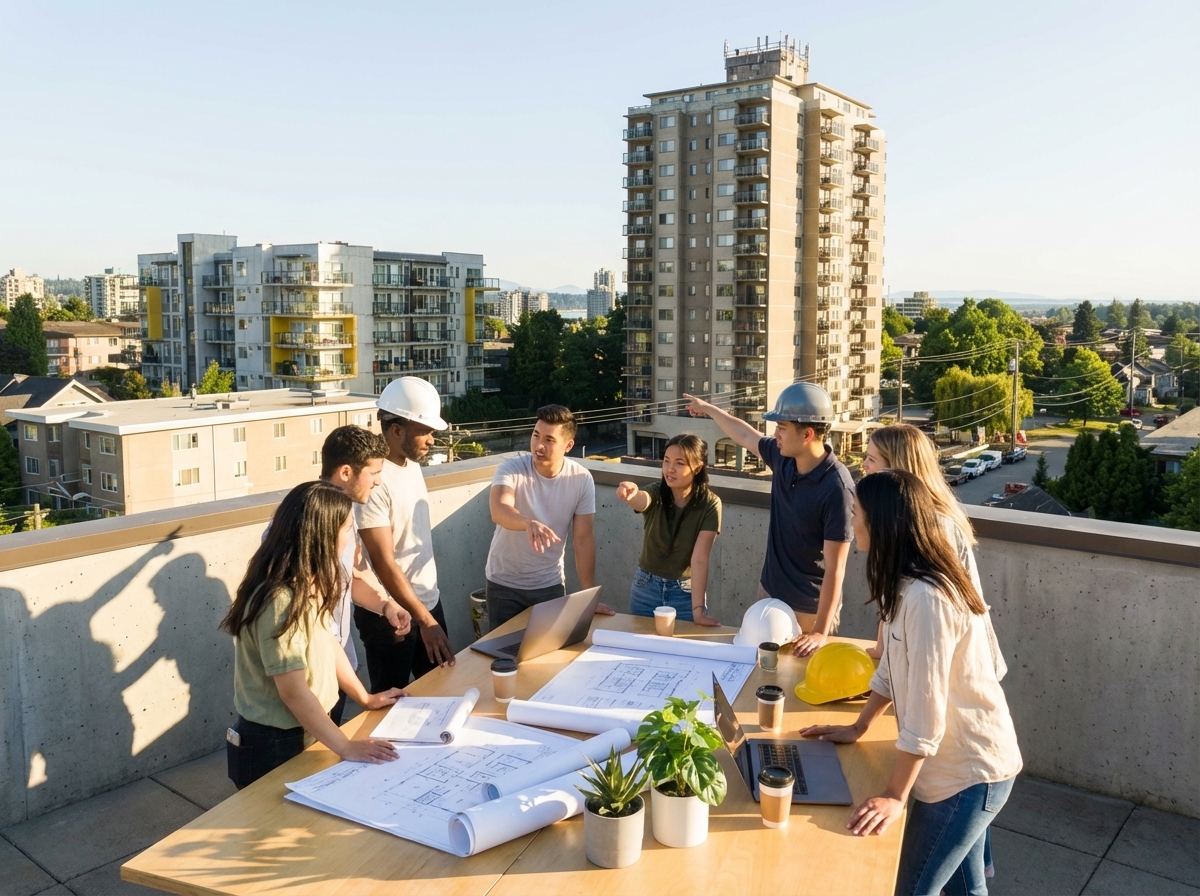
Embarking on a multi-family project in Vancouver requires careful planning. Begin with a solid foundation in site selection and analysis.
Site Due Diligence Essentials
Before diving into construction, knowing the ins and outs of your site is crucial. Site due diligence involves thorough investigations of land characteristics and potential restrictions. Consider factors like zoning laws and environmental concerns. This step ensures no surprises arise during construction.
A detailed site survey will help you understand property boundaries and topography. Engage with local authorities and gather insights on any historical issues related to the land. Understanding these elements helps prevent costly delays later. Use this knowledge to plan efficiently and meet all city requirements.
Feasibility and Massing Studies
Feasibility studies assess whether your project is practical. These studies help you determine if your vision aligns with your budget and goals. Massing studies provide a visual representation of how your project will fit into the neighborhood. This is important to ensure the design complements the area and meets local expectations.
Key Insights:
-
Start with a comprehensive budget analysis.
-
Use massing studies to visualize project scale and impact.
-
Align your project with community and environmental standards.
Pro Forma Input and Analysis
Creating a pro forma involves estimating your project’s financial performance. This includes revenue projections, expenses, and potential risks. A well-prepared pro forma guides decision-making and attracts investors.
-
Detailed Analysis: Break down costs meticulously.
-
Risk Management: Identify potential financial pitfalls.
-
Profit Maximization: Explore ways to boost returns.
Navigating Permits and Approvals
Once planning is clear, navigating permits becomes the next big task. Understanding the processes in Vancouver is key to avoiding delays.
Rezoning and Development Permit Process
Rezoning is often necessary to align your project with city plans. This involves changing the land use designation. Development permits focus on specifics like design and landscaping. In Vancouver, these processes are bureaucratic and can take time.
Steps to Success:
-
Meet with city officials for guidance.
-
Prepare detailed applications with comprehensive plans.
-
Attend public hearings if required.
Vancouver Building Code Insights
The Vancouver building codes ensure safety and quality standards. Familiarizing yourself with these codes is vital. They cover a range of areas, from structural integrity to fire safety.
Key Points:
-
Regularly consult with a knowledgeable architect.
-
Ensure all materials and practices meet code specifications.
-
Schedule timely inspections to stay compliant.
BC Energy Step Code Compliance
The BC Energy Step Code is a performance-based standard focusing on energy efficiency. Compliance is crucial for reducing environmental impact and meeting city expectations.
Compliance Tips:
-
Integrate energy-efficient systems early in the design phase.
-
Collaborate with energy consultants to exceed standards.
-
Aim for higher steps for long-term savings and benefits.
Building With Confidence

With permits in hand, you’re ready to build—but managing construction effectively is essential for success.
Construction Management in Vancouver
Effective management keeps your project on track. It involves coordinating with contractors, suppliers, and inspectors. Timely communication and clear scheduling are key.
-
Schedule Management: Use software tools for real-time updates.
-
Quality Assurance: Regular site visits ensure high standards.
-
Cost Control: Monitor expenses to prevent budget overruns.
Benefits of Design-Build Approach
The design-build approach integrates design and construction phases. This streamlines communication and reduces project duration.
Advantages:
-
Single point of contact simplifies project management.
-
Faster delivery by overlapping design and build phases.
-
Cost savings through integrated services.
Mass Timber and Wood-Frame Mid-Rise Options
Mass timber and wood-frame designs offer sustainability and cost benefits. These materials are ideal for mid-rise buildings in Vancouver.
Why Choose Timber:
-
Environmentally friendly with a lower carbon footprint.
-
Faster construction due to prefabrication possibilities.
-
Aesthetic appeal that resonates with modern design trends.
By understanding each stage of the process, from planning to construction, you can confidently undertake your multi-family project in Vancouver. With CityLink Homes by your side, transform your vision into reality—on time and on budget.