Top Innovative Materials Powering Energy‑Efficient Homes in Vancouver: What to Consider Before You Build
Building an energy-efficient home in Vancouver means choosing materials that stand up to our wet climate and strict BC Energy Step Code standards. You want solutions that cut energy costs and boost comfort, but picking the right products can feel overwhelming. This guide breaks down innovative building materials like triple-pane windows, mineral wool insulation, and advanced air barriers, so you know what to consider before your next project.
Key Materials for Energy-Efficient Homes
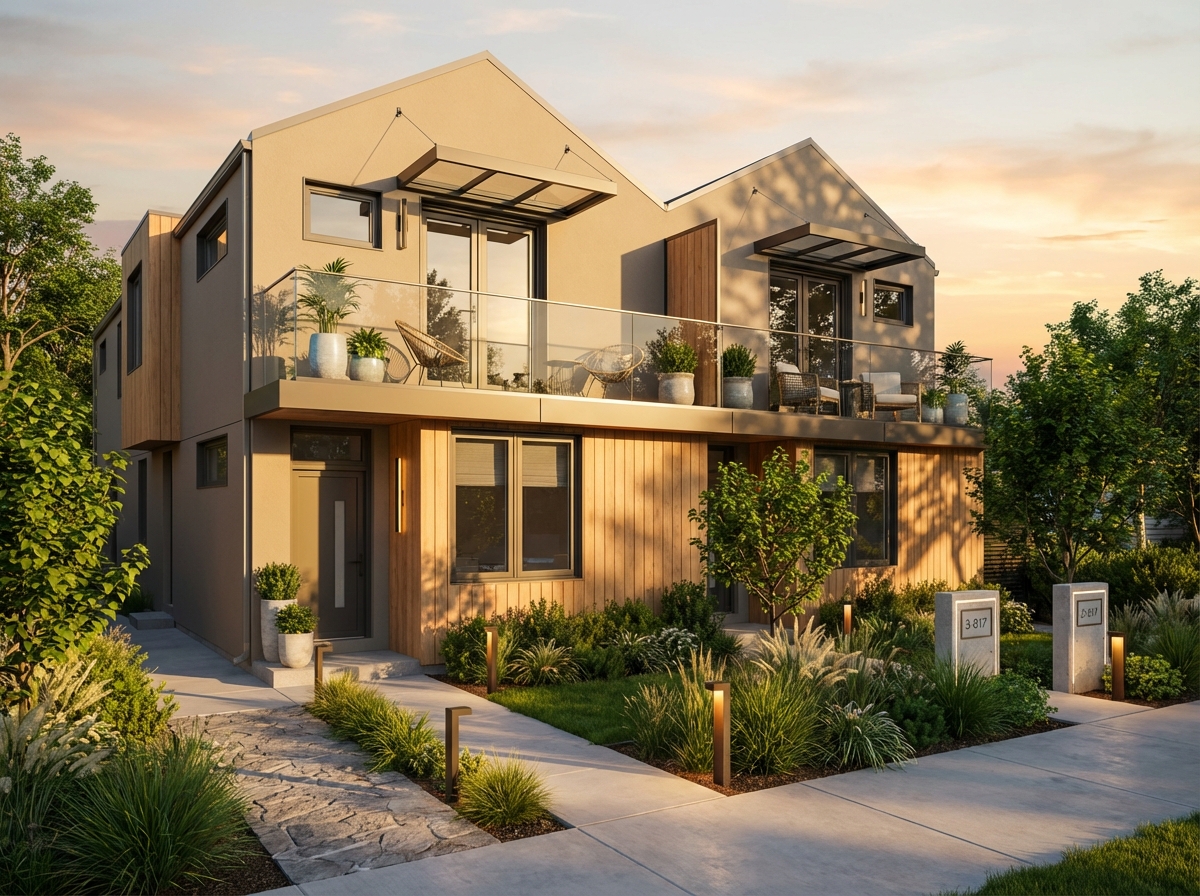
Building a home that’s both cozy and cost-effective starts with the right materials. Let’s explore two essential options that can transform your building experience.
Structural Insulated Panels (SIPs)
Imagine walls that keep you warm and reduce your energy bills. Structural Insulated Panels, or SIPs, do just that. These panels consist of an insulating foam core sandwiched between two structural facings. They offer excellent thermal performance, making your home more comfortable while lowering energy costs. SIPs are also quick to install, shaving days or even weeks off your construction timeline.
But it’s not just about speed. SIPs also significantly cut down on waste. Traditional framing methods can leave mountains of scrap wood, but with SIPs, builders use only what they need. This reduction in waste means a greener build for you and less impact on the environment. Plus, SIPs are known for their strength, providing a solid structure that withstands harsh weather conditions.
Insulated Concrete Forms (ICFs)
Think of Insulated Concrete Forms as a shield for your home. These forms are made from hollow foam blocks that are stacked, then filled with concrete. The result? A wall that’s not only sturdy but also highly insulated. ICFs keep the chill out and the warmth in, which is perfect for Vancouver’s climate. They block out unwanted noise, offering a peaceful indoor environment.
ICFs also contribute to a safer home. The concrete core provides exceptional fire resistance, giving you peace of mind. Builders and homeowners alike appreciate the durability of ICFs, as they offer a long-lasting solution that requires minimal maintenance. This makes them a smart investment for anyone looking to build a home that will stand the test of time.
Beyond Insulation: Advanced Solutions
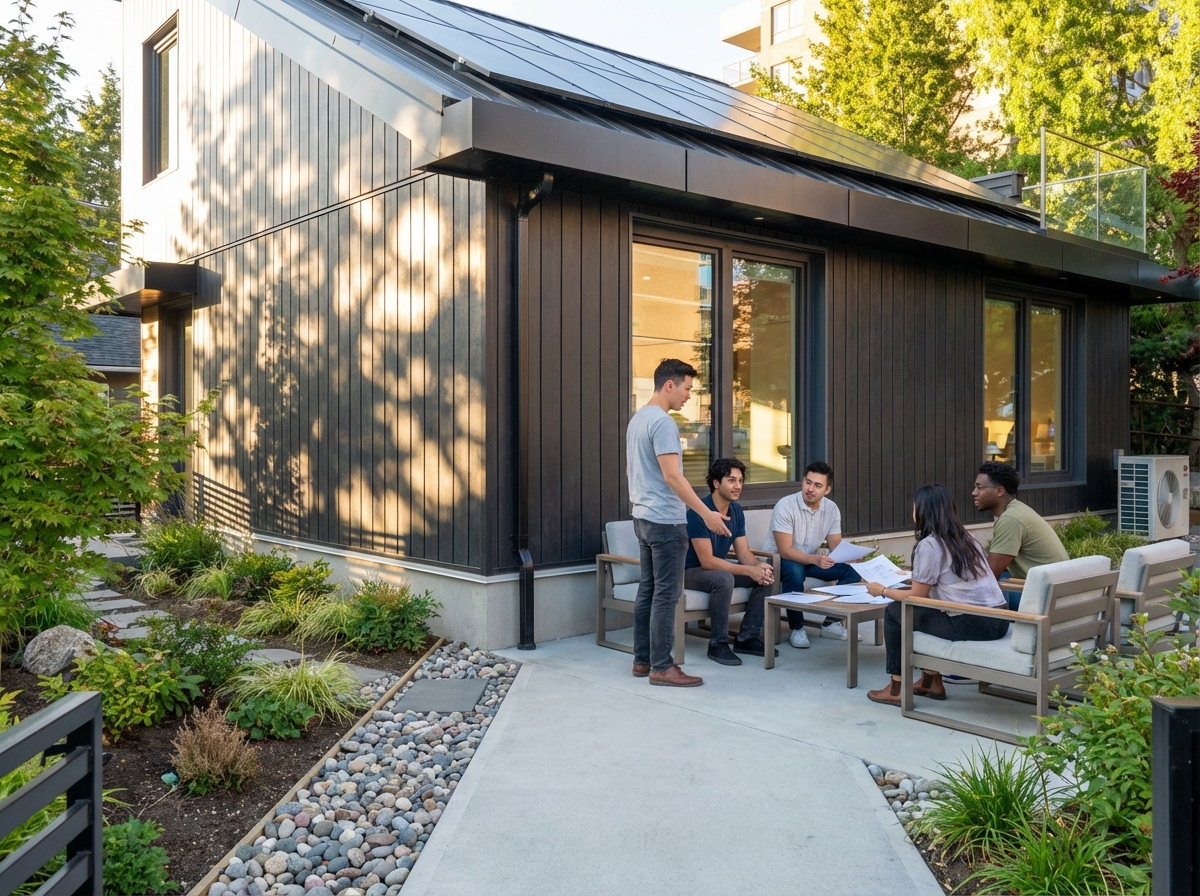
Once your home has a solid foundation, it’s time to consider features that take your energy efficiency to the next level. Here’s a look at some advanced solutions.
Triple-Pane Windows and Air Barriers
Windows can be the weak link in a home’s energy profile. But with triple-pane windows, you gain an edge. These windows consist of three glass layers with gas-filled spaces in between. This design drastically reduces heat loss, keeping your home warmer in the winter and cooler in the summer. Triple-pane windows also reduce sound transmission, adding to your home’s tranquility.
Beyond windows, consider advanced air barriers. These barriers seal your home against drafts, ensuring your heating and cooling systems work effectively. By minimizing leaks, you save on energy bills and enjoy a more consistent indoor climate. A well-sealed home not only conserves energy but also enhances comfort, making it a priority for any new build or renovation.
Low-Carbon Concrete and Cool Roofs
Sustainability is a key concern in modern construction, and low-carbon concrete plays a crucial role. By using alternative materials and processes, this concrete reduces the carbon footprint of your build. It’s a step toward a more sustainable future, aligning with initiatives like the BC Energy Step Code.
Pair low-carbon concrete with a cool roof for maximum efficiency. These roofs reflect more sunlight and absorb less heat, keeping your home cool during hot summer months. This not only cuts down on air conditioning costs but also extends the life of the roof. Consider a cool roof as an investment in both energy savings and the longevity of your home.
Building Smart and Sustainable in Vancouver
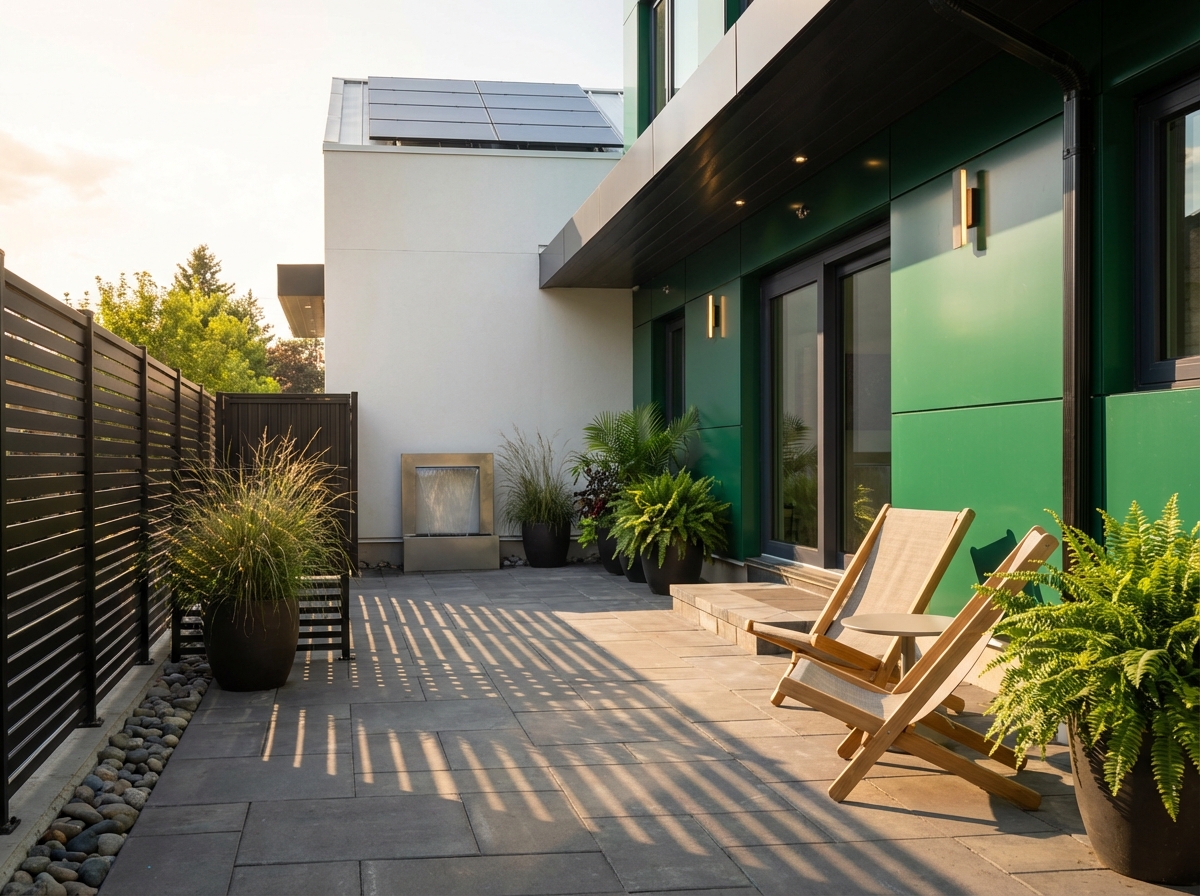
With innovative materials in mind, let’s focus on smart strategies for building in Vancouver, ensuring you meet local standards and maximize value.
Navigating the BC Energy Step Code
Constructing a home that meets the BC Energy Step Code can feel daunting. But understanding the code is crucial for compliance and efficiency. This code outlines energy efficiency targets for new buildings, encouraging builders to go beyond the base requirements. By aiming for higher steps, you optimize energy savings and increase your home’s value.
Working with a knowledgeable contractor can make this process smoother. Experts familiar with the code can guide you through each step, ensuring your project stays on track. With the right team, you can transform regulatory challenges into opportunities for innovation and sustainability.
Benefits of BIPV Roofing and CLT
When it comes to integrating technology with building materials, BIPV roofing stands out. These solar panels double as roofing materials, generating energy while protecting your home. They blend functionality with aesthetics, offering a sleek look without sacrificing performance. Using BIPV roofing can significantly lower utility bills, making your home a powerhouse of efficiency.
Another cutting-edge option is Cross-Laminated Timber (CLT). This engineered wood product is strong, sustainable, and ideal for reducing your carbon footprint. CLT offers a warm, natural aesthetic, and its strength rivals that of concrete and steel. Choosing CLT supports sustainable forestry practices, contributing to a healthier planet.
In conclusion, embracing these innovative materials and technologies not only enhances your home’s performance but also aligns you with the future of construction. Whether you’re building a new home or upgrading an existing one, these solutions offer durability, efficiency, and sustainability. Take the next step with CityLink Homes and bring your vision to life with confidence and quality.