
As Vancouver continues to evolve, so too does the landscape of new home construction, reflecting shifting lifestyles, technological innovations, and a growing emphasis on sustainability. In this bustling city, trends emerge rapidly, transforming the way we think about housing and the communities we share. From eco-friendly designs that prioritize energy efficiency to smart technology integration that makes our lives easier, the future of home construction here is as dynamic as the city itself. Join us as we explore the hottest trends shaping Vancouver’s housing market, uncovering not just what’s popular, but what’s driving the demand for these groundbreaking changes. Whether you’re a homebuyer, builder, or simply curious about the future of living in this vibrant metropolis, understanding these trends is key to navigating the exciting new world of Vancouver real estate. Let’s dive into the innovations and ideas that are setting the blueprint for tomorrow’s homes!
Sustainable Building Practices: Eco-Friendly Homes
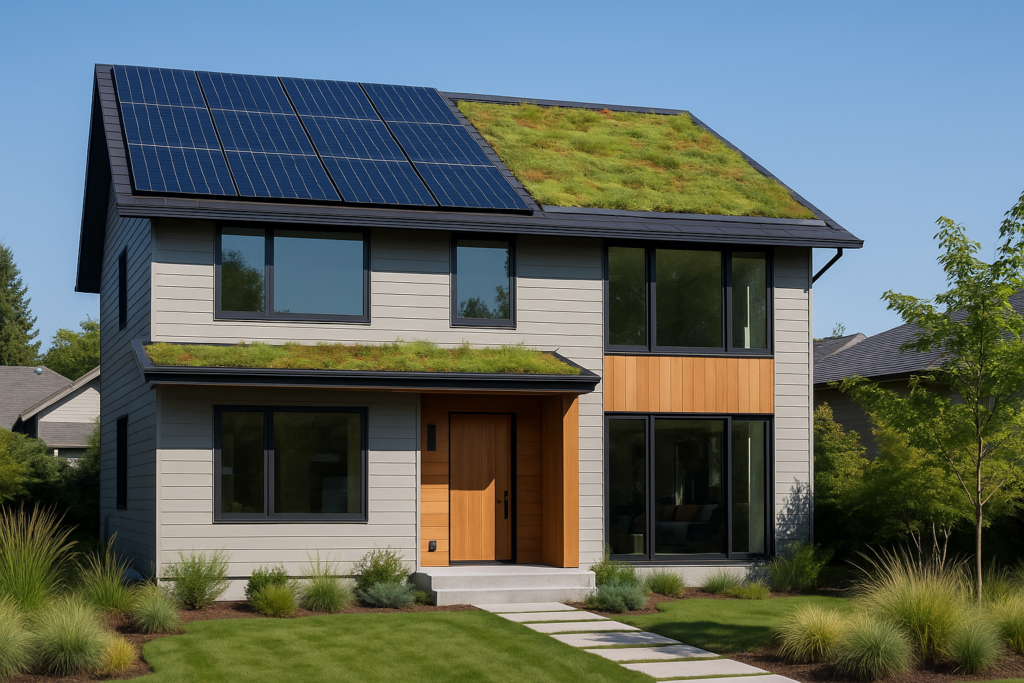
Vancouver is at the forefront of sustainable building practices, leading the charge toward eco-friendly homes that prioritize environmental responsibility and energy efficiency. As the city faces the realities of climate change, builders and developers are increasingly incorporating green building techniques and materials into their projects. From solar panels and green roofs to energy-efficient windows and insulation, these homes are designed to reduce carbon footprints and promote a healthier living environment. The emphasis on sustainability is not just a trend but a necessity, reflecting a broader commitment to preserving the planet for future generations.
One of the key aspects of sustainable building in Vancouver is the use of renewable energy sources. Solar power, in particular, has gained significant traction, with many new homes featuring solar panels to generate electricity and reduce reliance on fossil fuels. Additionally, advancements in battery storage technology allow homeowners to store excess energy for use during cloudy days or nighttime, further enhancing the efficiency and sustainability of these systems. By harnessing the power of the sun, Vancouver’s new homes are setting a benchmark for sustainable living.
Another critical component of eco-friendly construction is the use of sustainable materials. Builders are increasingly opting for materials that have a lower environmental impact, such as reclaimed wood, recycled steel, and low-VOC (volatile organic compounds) paints and finishes. These materials not only reduce waste and emissions during the construction process but also contribute to healthier indoor air quality. Furthermore, sustainable landscaping practices, such as xeriscaping and the use of native plants, help conserve water and create more resilient ecosystems around homes. This holistic approach to sustainability ensures that new homes in Vancouver are built with the environment in mind, from the ground up.
Emphasis on Sustainable and Eco-Friendly Designs
In Vancouver, the emphasis on sustainable and eco-friendly designs has become more than just a trend; it is a movement towards creating a more resilient and environmentally conscious city. The city’s green building standards are setting benchmarks that go beyond mere compliance, pushing for the integration of energy-efficient systems, renewable energy sources, and sustainable materials. This shift is driven by both regulatory measures and rising consumer awareness about environmental impact.
Homebuilders are increasingly adopting green building certifications such as LEED (Leadership in Energy and Environmental Design) and Passive House standards. These certifications not only enhance energy efficiency but also improve indoor air quality and reduce the carbon footprint of new homes. Incorporating high-performance windows, advanced insulation, and airtight construction helps to minimize energy consumption and maximize comfort. Moreover, renewable energy solutions like solar panels and geothermal heating systems are becoming common features in new developments.
Another significant aspect of eco-friendly design is the use of sustainable materials. Builders are sourcing locally-produced and recycled materials to reduce the environmental impact of transportation and minimize waste. Materials like reclaimed wood, recycled metal, and low-VOC (volatile organic compounds) paints are increasingly popular, reflecting a commitment to sustainability. This approach not only benefits the environment but also adds unique aesthetic qualities to homes, making them stand out in the market.
Smart Home Technology: The Future of Living

The integration of smart home technology is revolutionizing the way we live, and Vancouver is no exception. Modern homes are increasingly equipped with advanced systems that enhance convenience, security, and energy efficiency. From voice-activated assistants and intelligent lighting systems to smart thermostats and home automation, these technologies are transforming everyday living into a seamless and connected experience. Homebuyers in Vancouver are looking for properties that offer the latest in smart technology, making it one of the hottest trends in new home construction.
One of the most significant benefits of smart home technology is its ability to improve energy efficiency. Smart thermostats, for example, learn homeowners’ schedules and preferences, adjusting heating and cooling systems to optimize comfort while minimizing energy use. Similarly, smart lighting systems can be programmed to turn off when rooms are unoccupied, reducing electricity consumption. These technologies not only help homeowners save on utility bills but also contribute to the broader goal of reducing energy waste and mitigating climate change.
In addition to energy efficiency, smart home technology enhances security and convenience. Modern security systems, equipped with cameras, motion sensors, and remote monitoring capabilities, provide homeowners with peace of mind, knowing that their properties are protected. Furthermore, home automation systems allow residents to control various aspects of their homes, such as lighting, appliances, and entertainment systems, through their smartphones or voice commands. This level of control and customization makes daily tasks more manageable and improves the overall quality of life. As smart home technology continues to advance, it will undoubtedly play a crucial role in shaping the future of housing in Vancouver.
Smart Home Technology Integration
The integration of smart home technology is revolutionizing the way residents interact with their living spaces. In Vancouver, new homes are being equipped with state-of-the-art devices and systems that offer unprecedented control, convenience, and efficiency. Home automation systems, smart lighting, and advanced security features are not just luxuries anymore; they are becoming standard expectations for modern homebuyers.
Smart thermostats, such as the Nest or Ecobee, allow homeowners to control heating and cooling remotely, optimizing energy use based on occupancy patterns. These devices learn from user behavior and adjust settings automatically to maintain comfort while reducing energy bills. Similarly, smart lighting systems can be programmed to adjust according to the time of day, enhancing energy efficiency and creating the perfect ambiance for any occasion.
Security is another critical area where smart technology is making a significant impact. High-definition cameras, smart locks, and integrated alarm systems provide homeowners with real-time monitoring and control over their property. These systems can be accessed and managed via smartphones, offering peace of mind whether residents are at home or away. Additionally, voice-activated assistants like Amazon Alexa and Google Home are becoming central hubs for managing various smart devices, making home automation more intuitive and seamless.
Urban Density and Mixed-Use Developments
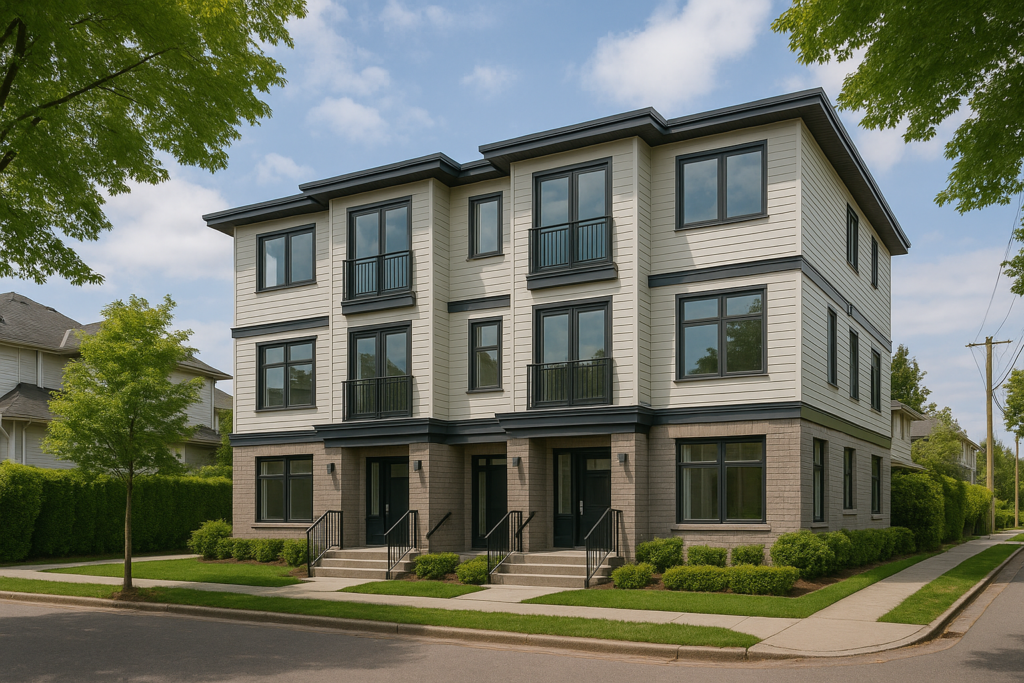
As Vancouver’s population grows, the city faces the challenge of accommodating new residents while maintaining its unique character and livability. One of the key strategies to address this issue is the development of urban density and mixed-use projects. These developments combine residential, commercial, and recreational spaces within a single area, creating vibrant, walkable communities that reduce the need for long commutes and reliance on cars. By fostering a more efficient use of land and resources, mixed-use developments are helping to shape the future of housing in Vancouver.
Urban density is not just about building more homes; it’s about creating communities that offer a high quality of life. Mixed-use developments provide residents with easy access to essential services, such as grocery stores, healthcare facilities, and public transportation. This proximity to amenities encourages walking and cycling, promoting a healthier lifestyle and reducing traffic congestion and pollution. Furthermore, these developments often include green spaces, parks, and community centers, fostering social interaction and a sense of belonging among residents.
In addition to the benefits for residents, mixed-use developments contribute to the economic vitality of Vancouver. By integrating commercial spaces within residential areas, these projects create opportunities for local businesses to thrive. Retail shops, restaurants, and cafes attract foot traffic and generate economic activity, supporting job creation and community development. Moreover, the diverse range of housing options within mixed-use developments, from affordable apartments to luxury condos, ensures that a broad spectrum of residents can find suitable accommodations. This inclusivity is essential for building cohesive and resilient communities in Vancouver.
The Rise of Modular and Prefabricated Homes
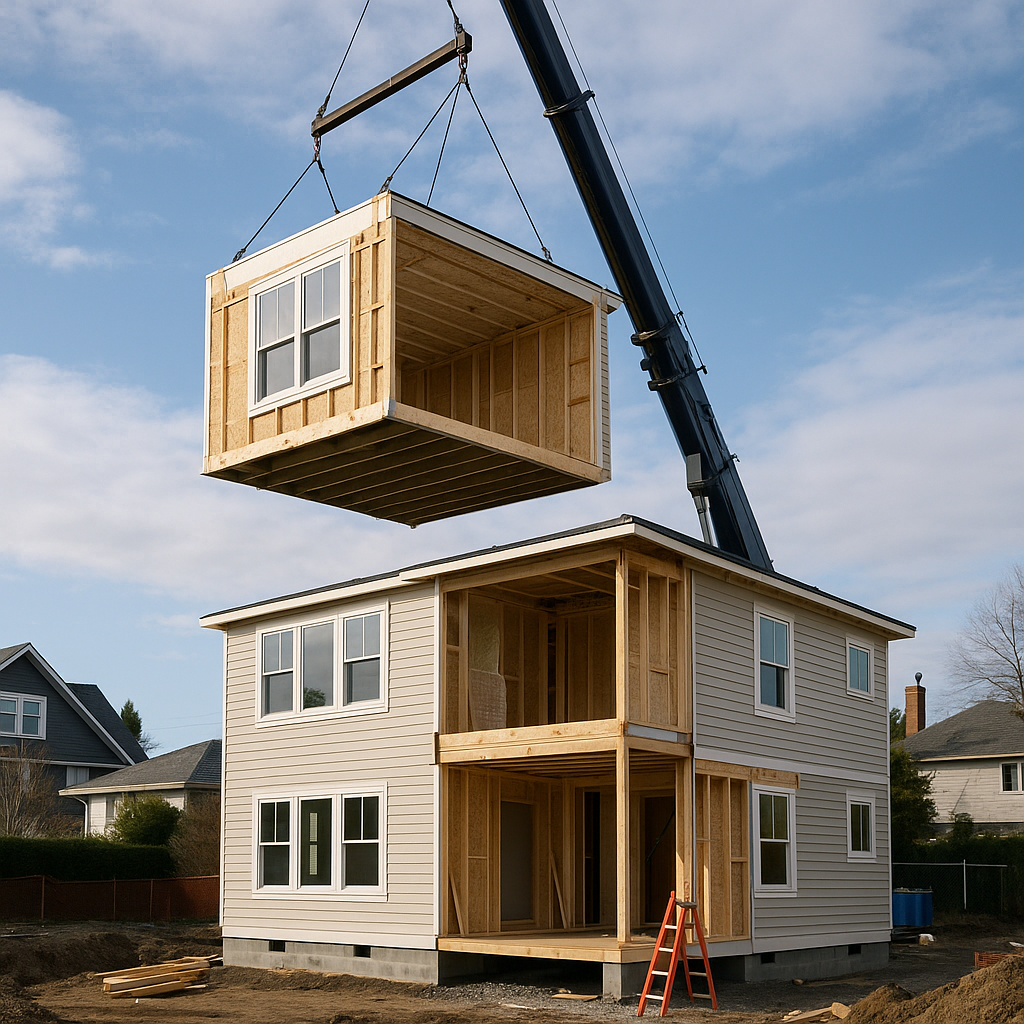
The construction industry in Vancouver is experiencing a significant shift with the rise of modular and prefabricated homes. These innovative building techniques offer several advantages over traditional construction methods, including faster build times, cost savings, and reduced environmental impact. As the demand for housing continues to grow, modular and prefabricated homes are emerging as a viable solution to meet the needs of Vancouver’s diverse population.
Modular homes are built in sections, or modules, in a factory setting before being transported to the construction site for assembly. This process allows for greater precision and quality control, as the modules are constructed in a controlled environment with advanced machinery and technology. The result is a highly durable and energy-efficient home that can be completed in a fraction of the time it takes to build a traditional house. Additionally, the factory setting minimizes weather-related delays and reduces waste, making modular construction a more sustainable option.
Prefabricated homes, on the other hand, involve the off-site production of various building components, such as walls, roofs, and floors, which are then assembled on-site. This method offers similar benefits to modular construction, including shorter build times and cost efficiencies. Prefabricated homes can be customized to meet the specific needs and preferences of homeowners, offering a wide range of design options and finishes. As the technology and processes behind modular and prefabricated homes continue to advance, these building methods are poised to play a significant role in the future of housing in Vancouver.
Design Trends: Open Concept Living and Natural Light
The design of new homes in Vancouver is evolving to reflect contemporary lifestyles and preferences, with a strong emphasis on open concept living and the incorporation of natural light. These design trends not only enhance the aesthetic appeal of homes but also improve functionality and well-being for residents. As homebuyers seek spaces that are both beautiful and practical, open concept layouts and abundant natural light have become defining features of modern home construction in Vancouver.
Open concept living involves creating large, open spaces that seamlessly connect different areas of the home, such as the kitchen, dining, and living rooms. This design approach promotes a sense of spaciousness and flow, making homes feel larger and more inviting. It also facilitates social interaction and connectivity, allowing family members and guests to engage with one another more easily. Open concept layouts are particularly popular in Vancouver’s urban settings, where space may be limited, as they maximize the use of available square footage and create a more flexible living environment.
Natural light is another crucial element in modern home design, with builders prioritizing large windows, skylights, and open spaces that allow sunlight to flood interior spaces. The benefits of natural light extend beyond aesthetics; it has been shown to boost mood, improve sleep quality, and enhance overall health and well-being. In a city like Vancouver, where overcast days are common, maximizing natural light in homes is especially important. Additionally, the use of natural light can reduce the need for artificial lighting, contributing to energy savings and a more sustainable lifestyle.
The Impact of Local Regulations on Home Construction
Local regulations and policies play a significant role in shaping the landscape of home construction in Vancouver. These regulations, which encompass zoning laws, building codes, and environmental guidelines, are designed to ensure that new developments are safe, sustainable, and in harmony with the city’s broader planning goals. As Vancouver continues to grow and evolve, understanding the impact of these regulations is essential for builders, developers, and homebuyers alike.
Zoning laws are a critical component of urban planning, dictating how land can be used and what types of structures can be built in specific areas. In Vancouver, zoning regulations are used to manage urban density, protect green spaces, and preserve the character of established neighborhoods. These laws can influence everything from the height and size of buildings to the types of activities that are permitted in a given area. For example, zoning regulations may restrict the construction of high-rise buildings in certain residential neighborhoods, ensuring that new developments are in line with the existing architectural landscape.
Building codes and environmental guidelines are also crucial in shaping home construction in Vancouver. Building codes set standards for the safety, durability, and performance of structures, covering aspects such as structural integrity, fire safety, and accessibility. Environmental guidelines, on the other hand, focus on promoting sustainability and reducing the environmental impact of construction activities. These guidelines may include requirements for energy-efficient building materials, waste reduction practices, and the integration of green technologies. By adhering to these regulations, builders and developers can contribute to the creation of safe, sustainable, and resilient communities in Vancouver.
Affordability Challenges and Innovative Solutions
Affordability is one of the most pressing issues facing Vancouver’s housing market. With property prices and rental rates continuing to rise, finding affordable housing has become increasingly challenging for many residents. However, innovative solutions are emerging to address this issue, driven by a combination of policy initiatives, creative design approaches, and new construction techniques. As the city seeks to balance growth with affordability, these solutions are playing a pivotal role in shaping the future of housing in Vancouver.
One of the key strategies to improve housing affordability is the development of affordable housing projects, which are often supported by government funding and incentives. These projects aim to provide low- and moderate-income households with access to safe, quality housing at below-market rates. In Vancouver, a variety of affordable housing options are being explored, including social housing, co-operative housing, and inclusionary zoning policies that require developers to include a certain percentage of affordable units in new developments. By increasing the supply of affordable housing, these initiatives help to alleviate the pressure on the housing market and provide more options for residents.
Another innovative approach to addressing affordability is the use of alternative housing models, such as micro-homes and co-living spaces. Micro-homes, which are small, compact living units, offer an affordable and sustainable solution for individuals and small households. These homes maximize the use of space and resources, making them an attractive option for those seeking a minimalist lifestyle. Co-living spaces, on the other hand, involve shared living arrangements where residents have private bedrooms but share common areas such as kitchens and living rooms. This model not only reduces housing costs but also fosters a sense of community and social interaction among residents.
Advancements in construction technology are also contributing to improved housing affordability. As mentioned earlier, modular and prefabricated homes offer cost efficiencies and faster build times compared to traditional construction methods. These techniques can help reduce the overall cost of housing production, making homes more affordable for buyers. Additionally, the use of innovative materials and construction methods, such as 3D printing and sustainable building practices, can further drive down costs and enhance the affordability of new homes in Vancouver.
Community-Centric Developments: Creating Connected Neighborhoods
Community-centric developments are gaining popularity in Vancouver, reflecting a growing desire for neighborhoods that prioritize social interaction, connectivity, and a sense of belonging. These developments are designed to create vibrant, inclusive communities where residents can live, work, and play in close proximity. By fostering strong social ties and providing access to essential amenities and services, community-centric developments are shaping the future of housing in Vancouver and enhancing the overall quality of life for residents.
One of the key features of community-centric developments is the incorporation of shared spaces and amenities that encourage social interaction and engagement. These may include parks, playgrounds, community centers, and recreational facilities, all designed to bring residents together and promote a sense of community. In addition to physical spaces, community-centric developments often include programming and events, such as farmers’ markets, cultural festivals, and fitness classes, that provide opportunities for residents to connect and build relationships.
Another important aspect of community-centric developments is the emphasis on walkability and access to public transportation. By creating pedestrian-friendly environments and ensuring that essential services, such as grocery stores, schools, and healthcare facilities, are within walking distance, these developments reduce the need for car travel and promote a more sustainable lifestyle. Access to reliable public transportation further enhances connectivity, allowing residents to easily commute to work, school, and other destinations. This focus on walkability and transit accessibility not only improves convenience but also contributes to the health and well-being of residents by encouraging active transportation.
Inclusivity and diversity are also central to the concept of community-centric developments. These neighborhoods are designed to accommodate a wide range of residents, from young professionals and families to seniors and individuals with special needs. By offering a variety of housing options, including affordable units, rental properties, and homeownership opportunities, community-centric developments ensure that people of all backgrounds and income levels can find suitable accommodations. This inclusivity fosters a sense of belonging and creates more resilient and cohesive communities.
Conclusion: The Future of Home Construction in Vancouver
The future of home construction in Vancouver is being shaped by a dynamic interplay of trends and innovations that reflect the city’s evolving needs and aspirations. Sustainable building practices, smart home technology, urban density, and mixed-use developments are all contributing to the creation of homes that are not only environmentally responsible but also tailored to modern lifestyles. The rise of modular and prefabricated homes, along with innovative design trends such as open concept living and natural light, further highlights the city’s commitment to efficiency, functionality, and aesthetic appeal.
Local regulations and policies play a crucial role in guiding the development of new homes, ensuring that construction practices are safe, sustainable, and aligned with broader planning goals. Affordability remains a significant challenge, but innovative solutions, such as affordable housing projects, alternative housing models, and advancements in construction technology, are helping to address this issue and provide more options for residents. Community-centric developments, with their emphasis on connectivity, inclusivity, and social interaction, are creating neighborhoods that enhance the overall quality of life and foster a sense of belonging.
As Vancouver continues to grow and evolve, the trends and innovations shaping home construction will play a pivotal role in defining the city’s future. By embracing sustainable practices, leveraging new technologies, and prioritizing the needs and aspirations of residents, Vancouver is setting a blueprint for the homes of tomorrow. Whether you’re a homebuyer, builder, or simply curious about the future of living in this vibrant metropolis, understanding these trends is key to navigating the exciting new world of Vancouver real estate. The journey ahead promises to be both challenging and rewarding, as we work together to create a sustainable, inclusive, and connected future for all.
Need More Information? Contact Us